If your windows suddenly look hazy, feel drafty, or seem harder to keep clean, the problem may not be the glass itself. One of the top signs window seals failed is moisture or fog trapped between panes, and that issue usually points to a broken seal inside an insulated window unit.
For homeowners and property managers along the Santa Barbara coast, failed window seals are more than a cosmetic annoyance. Salt air, strong sun, shifting temperatures, and everyday wear can all shorten the life of insulated glass. When the seal gives out, the window can lose energy efficiency, visibility, and in some cases overall performance.
What a window seal actually does
Most newer windows use insulated glass units made with two or more panes separated by a spacer. The perimeter seal helps hold the panes together and keeps insulating gas inside while blocking outside air and moisture from getting in.
When that seal stays intact, the window helps regulate indoor temperatures and reduces condensation between panes. When it fails, the glass unit starts losing the qualities that made it energy efficient in the first place. The frame might still look fine, which is why this problem often goes unnoticed at first.
Top signs window seals failed
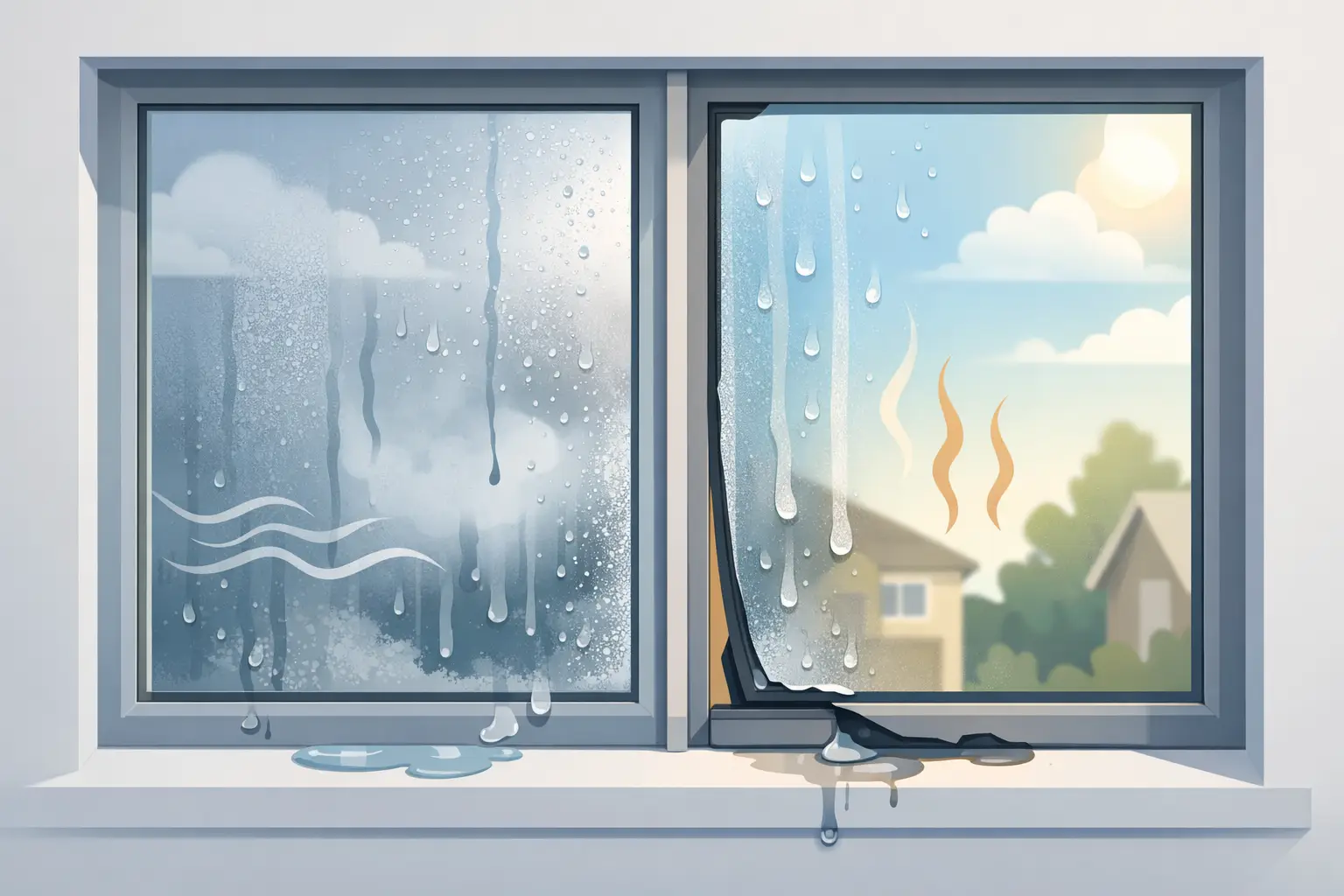
The clearest warning sign is fogging between the panes. If the condensation is on the room side of the glass, you may just need to lower humidity indoors or improve ventilation. But if the haze is trapped inside the glass and you cannot wipe it away from either side, that usually means the insulated seal has been compromised.
Another common sign is a milky or permanently cloudy appearance. Some windows do not show full droplets of moisture. Instead, they develop a dull film or streaky look between panes that makes the glass seem dirty all the time. If repeated cleaning does nothing, the problem is likely inside the unit.
You may also notice drafts near a closed window. A failed seal does not always create an obvious breeze on its own, because drafts can also come from worn weatherstripping or frame gaps. Still, when a window starts feeling less insulating than it used to, seal failure is worth checking.
A sudden jump in heating or cooling costs can be another clue. If your HVAC system is working harder and certain rooms feel warmer in the afternoon or colder at night, compromised glass performance may be part of the issue. This is especially common in older dual-pane windows exposed to years of coastal conditions.
In some cases, the glass can start looking distorted. As the seal breaks down and gas escapes, the pressure balance inside the unit changes. That can create a subtle warped appearance when you look through the window at an angle. It is not always dramatic, but it is a sign the insulated glass is no longer performing as intended.
Signs of failed window seals vs. other window problems
Not every window issue comes from a broken seal, and that distinction matters. Condensation on the inside-facing surface of the glass often has more to do with indoor humidity than with the insulated unit itself. Bathrooms, kitchens, and bedrooms with limited airflow can all produce temporary moisture on windows, especially in cooler weather.
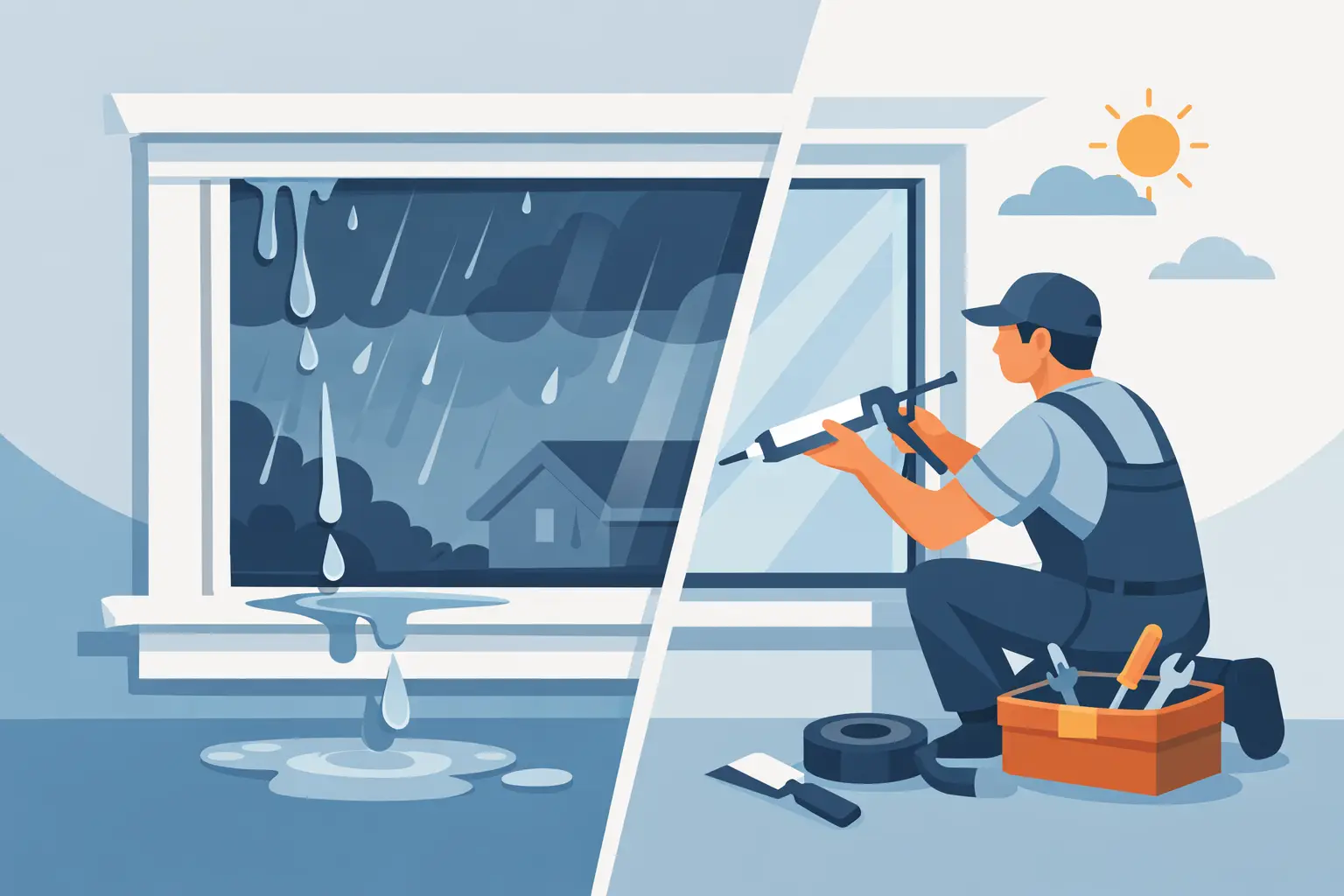
Water around the frame or on the sill may point to a drainage or installation issue instead. Cracked caulk, damaged flashing, or frame deterioration can let moisture enter around the window even when the insulated glass unit is still intact.
If a window sticks, rattles, or will not lock properly, the issue could be with hardware, frame movement, or age-related wear. Those problems may happen alongside a failed seal, but they are not the same thing. A professional inspection helps sort out whether you need glass replacement, frame repair, or a full window upgrade.
Why seals fail in coastal homes and buildings
Time is the biggest factor. Even quality windows do not last forever, and the seal around insulated glass naturally degrades over the years. Expansion and contraction from daily temperature changes puts stress on the unit, especially on elevations that get long hours of direct sun.
Along the coast, environmental exposure can speed that process up. Salt air, moisture, and UV radiation can all wear down materials faster than they would inland. In Santa Barbara, Montecito, Goleta, and nearby communities, windows often take a beating from a combination of sun, marine air, and seasonal weather shifts.
Poor installation can also shorten the life of a seal. If the window was not installed squarely, if the frame allows too much movement, or if low-grade materials were used, the glass unit may fail earlier than expected. That is one reason professional installation matters as much as the window product itself.
Can a failed window seal be repaired?
It depends on the condition of the window and what exactly has failed. If the insulated glass unit has lost its seal but the frame is still in good shape, replacing the glass only is often the most practical solution. This restores clarity and energy performance without replacing the entire window assembly.
In other cases, full replacement makes more sense. If the frame is warped, the hardware is worn out, or the window is already outdated and inefficient, putting new glass into an aging system may not be the best long-term value. For property owners planning remodeling work or energy upgrades, replacement can offer better durability and appearance.
Some companies offer temporary defogging services, but that approach does not always restore the original insulating performance of the unit. It may improve appearance for a while, but it does not necessarily solve the underlying seal failure. If comfort, efficiency, and long-term results matter, replacing the affected insulated glass is usually the more dependable fix.
When to act and when you can wait
A failed seal is rarely an emergency in the same way broken glass is. Still, waiting too long can leave you with ongoing energy loss, reduced visibility, and a window that continues to decline. If the room feels less comfortable or the cloudiness affects the look of your home or business, it is worth addressing sooner rather than later.
For rental properties and commercial spaces, timing matters for another reason. Tenants and customers notice windows that look fogged or poorly maintained. Replacing failed glass can improve appearance right away while also helping with comfort and efficiency.
If only one unit has failed and the rest of the windows are in good condition, targeted glass replacement may be enough. If several windows are showing the same symptoms, it may be time to think more broadly about phased replacement. A local glass professional can help you compare immediate repair costs against the value of upgrading multiple units.
What to expect from a professional inspection
A proper inspection should look beyond the fogging itself. The goal is to confirm whether the insulated seal failed, assess the condition of the frame and surrounding components, and recommend the most cost-effective path forward.
That may mean replacing one insulated glass unit, addressing additional weatherproofing issues, or discussing full window replacement if the overall system is near the end of its service life. A trustworthy contractor will explain the trade-offs clearly instead of pushing a bigger job than you need.
For coastal property owners, material quality also matters. Premium glass products and precise installation can make a meaningful difference in how long the repair lasts and how well the window performs over time. That is where experienced local service becomes valuable. Companies like Resilience Glass understand the conditions these windows face and can recommend practical solutions that fit the property.
How to reduce future seal problems
You cannot stop every seal failure, but you can lower the risk. Quality installation is the first step. A well-fitted window experiences less unnecessary movement and stress, which helps the insulated unit last longer.
Routine maintenance also helps. Keep frames clean, watch for failing caulk, and pay attention to early signs like light haze or changing room temperatures. The sooner a problem is identified, the easier it is to plan the right fix.
If you are replacing older windows, it is worth asking about energy-efficient insulated glass designed for local conditions. Better materials, accurate sizing, and professional workmanship all contribute to longer-lasting results.
If your windows have started looking cloudy, feeling less efficient, or showing other top signs window seals failed, getting a clear assessment now can save you time and money later. The right repair does more than improve the view – it helps protect comfort, efficiency, and the overall value of your property.