A vinyl window can look perfectly fine from the street while quietly losing its seal, sticking in its track, or letting costly heat escape. For homeowners along the Santa Barbara coast, the question of how long do vinyl windows last is not just about age. It is about salt air, sun exposure, installation quality, and whether the window still protects the comfort, efficiency, and appearance of your property.
Most quality vinyl windows last about 20 to 40 years. That range is broad for a reason. A premium window installed correctly and maintained in a relatively protected location may perform well for decades. A lower-quality unit exposed to direct afternoon sun, coastal moisture, or repeated hard use may need attention much sooner.
How Long Do Vinyl Windows Last?
For many homes, vinyl replacement windows provide reliable service for 20 to 30 years before age-related performance issues become more likely. Higher-grade vinyl windows with quality insulated glass, reinforced frames, and professional installation can last 30 to 40 years or longer.
The frame itself is often not the first part to fail. Glass seals, weatherstripping, locks, rollers, balances, and screens can wear out earlier. In some cases, replacing a component or repairing the glass can restore performance without replacing the entire window. In others, multiple issues point to a full replacement as the more practical long-term decision.
Vinyl is popular because it does not rot like wood and does not require routine painting. It also resists moisture well, making it a sensible choice for many coastal properties. Still, vinyl is not maintenance-free, and not every vinyl window is built to the same standard.
What Determines a Vinyl Window’s Lifespan?
The biggest difference between a window that lasts 15 years and one that performs for 35 is usually not luck. It comes down to materials, fit, exposure, and care.
Window Quality and Frame Construction
Quality vinyl windows use durable compounds designed to resist warping, fading, and brittleness. Better units may include thicker frame walls, welded corners, reinforced sections, stronger hardware, and multi-chamber frame construction that supports insulation and stability.
Lower-cost windows can be a reasonable short-term option in some situations, but thin or poorly constructed frames are more vulnerable to heat-related movement and everyday wear. A window that flexes, binds, or no longer closes tightly can affect both security and energy efficiency.
Professional Installation
Even an excellent window can underperform when it is installed incorrectly. An opening that is not properly prepared, leveled, sealed, and flashed can lead to air leaks, water intrusion, difficult operation, and premature damage around the frame.
Precise installation matters especially in older homes, remodels, and properties where existing openings are not perfectly square. A skilled local installer evaluates the condition of the surrounding wall and frame instead of treating every replacement as a simple swap. That attention helps a new vinyl window deliver the lifespan it was designed to provide.
Coastal Sun, Salt Air, and Moisture
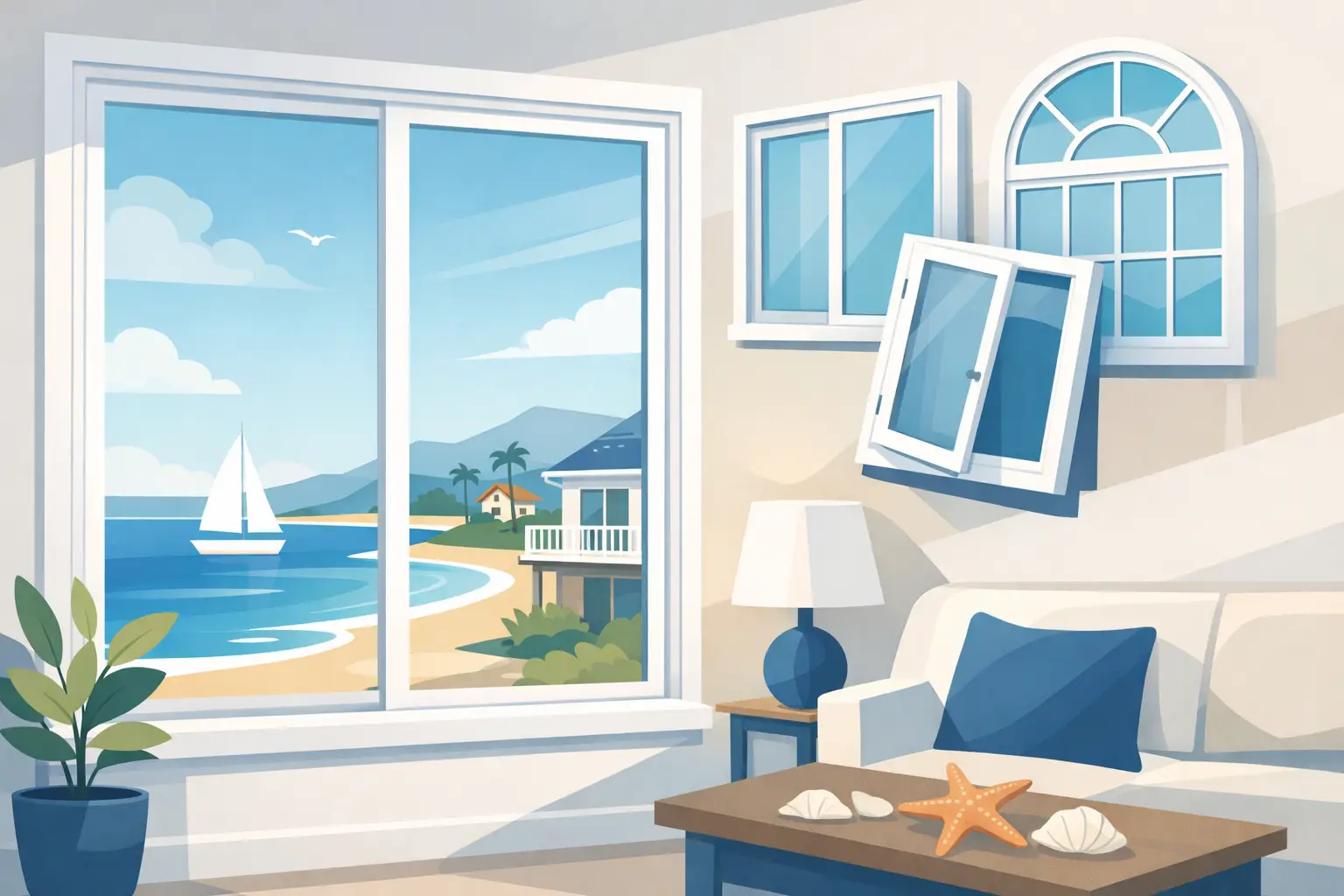
Santa Barbara County offers a mild climate, but coastal conditions still place demands on exterior materials. Intense UV exposure can gradually fade or weaken lower-quality vinyl, particularly on south- and west-facing elevations. Salt air can also affect metal hardware, while wind-driven moisture tests the condition of seals and caulking.
Homes in Montecito, Summerland, Carpinteria, and beachfront areas may need more frequent inspections than properties farther inland. This does not mean vinyl is a poor choice near the ocean. It means product selection and installation details should account for the setting. Quality hardware, proper drainage, and well-maintained exterior seals make a meaningful difference.
Daily Use and Maintenance
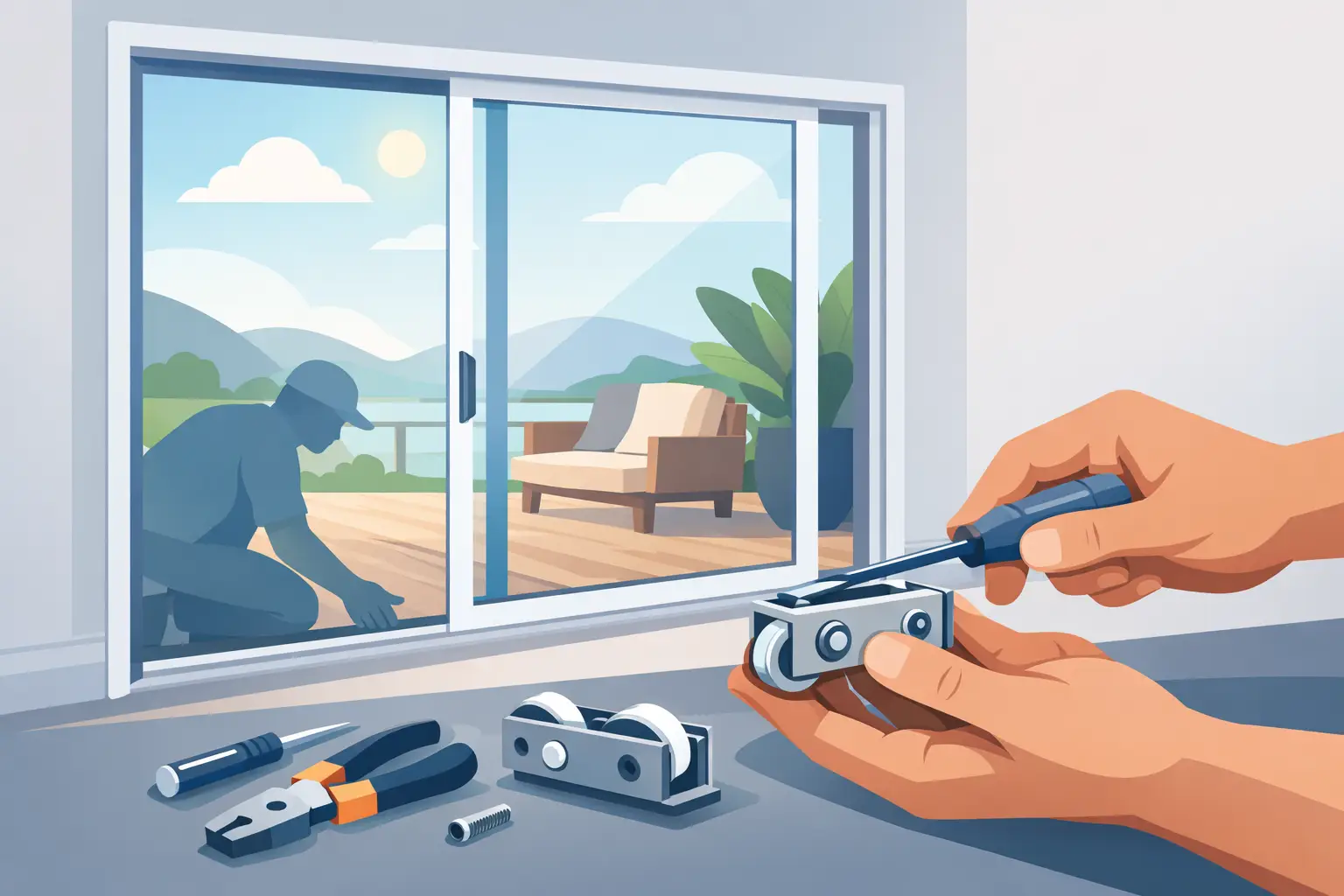
Sliding windows and patio door-style openings naturally experience more wear because their rollers, tracks, and locks are used frequently. Dust, sand, pet hair, and debris can build up in tracks, making operation harder and putting added stress on moving parts.
A simple cleaning routine helps. Wipe down frames with mild soap and water, clean tracks regularly, and avoid harsh solvents or abrasive pads that can damage the finish. Check weep holes, the small drainage openings near the bottom of many frames, to ensure water can drain as intended. If a window suddenly becomes hard to open, do not force it. Early service may prevent a smaller hardware issue from becoming frame damage.
Signs It May Be Time to Repair or Replace Vinyl Windows
Age alone does not determine whether a vinyl window needs replacement. A 25-year-old window that opens smoothly, seals tightly, and shows no signs of moisture may still have useful life left. On the other hand, a much newer window with persistent performance problems deserves a professional evaluation.
Watch for recurring condensation or fog between the panes. This usually indicates a failed insulated-glass seal. The window may still remain in place, but its insulating value and clarity are reduced. Depending on the frame condition and window design, glass replacement may be possible.
Drafts are another common warning sign. If you feel air movement near a closed window, hear increased outside noise, or notice uneven temperatures in the room, the issue could be worn weatherstripping, a misaligned sash, failed seals, or a gap around the installation. Finding the source matters before deciding on the right solution.
Visible frame damage is more serious. Cracks, warping, discoloration, loose corners, or a sash that will not lock securely can compromise operation and safety. Water staining around the interior trim, peeling paint near the opening, or soft surrounding materials can signal moisture intrusion that should be addressed promptly.
Replacement often makes the most sense when several problems occur together: failed glass seals, deteriorated frames, difficult operation, ongoing drafts, and outdated single-pane glass. A new vinyl window can improve comfort, reduce outside noise, enhance curb appeal, and provide more dependable security.
Can Vinyl Windows Last Longer Than 30 Years?
Yes, but expectations should be realistic. A well-made vinyl window can remain functional beyond 30 years, particularly when it is sheltered from severe sun and installed with care. However, long life does not always mean peak performance. Older windows may still open and close while delivering less insulation than newer energy-efficient options.
If you are planning a renovation, evaluating a rental property, or preparing a commercial space for tenants, it can be helpful to look beyond whether the window is technically still usable. Consider comfort, operating condition, appearance, glass performance, and the likely cost of future repairs. Replacing windows before a failure becomes urgent can make scheduling easier and help protect surrounding finishes from water damage.
Choosing Vinyl Windows for Long-Term Value
The best vinyl window is not necessarily the most expensive model. It is the one that fits the opening, climate, architectural style, and performance needs of your property. Look for a durable frame, quality insulated glass, reliable hardware, and a warranty that clearly explains coverage for frames, glass seals, and moving parts.
For coastal homes and businesses, ask about options suited to sun exposure and moisture. Depending on the project, low-emissivity glass, tempered safety glass, laminated glass, or upgraded hardware may be worthwhile. A knowledgeable installer can explain where those upgrades provide real value and where a standard option is sufficient.
Resilience Glass helps local homeowners and property managers evaluate whether a window needs targeted repair, glass replacement, or a complete vinyl window upgrade. The goal is a finished result that looks right, operates smoothly, and holds up to everyday coastal living.
A window should not become a constant source of drafts, sticking, foggy glass, or worry. If yours are showing their age, a professional assessment can give you a clear path forward before a small problem affects your comfort, energy costs, or property value.