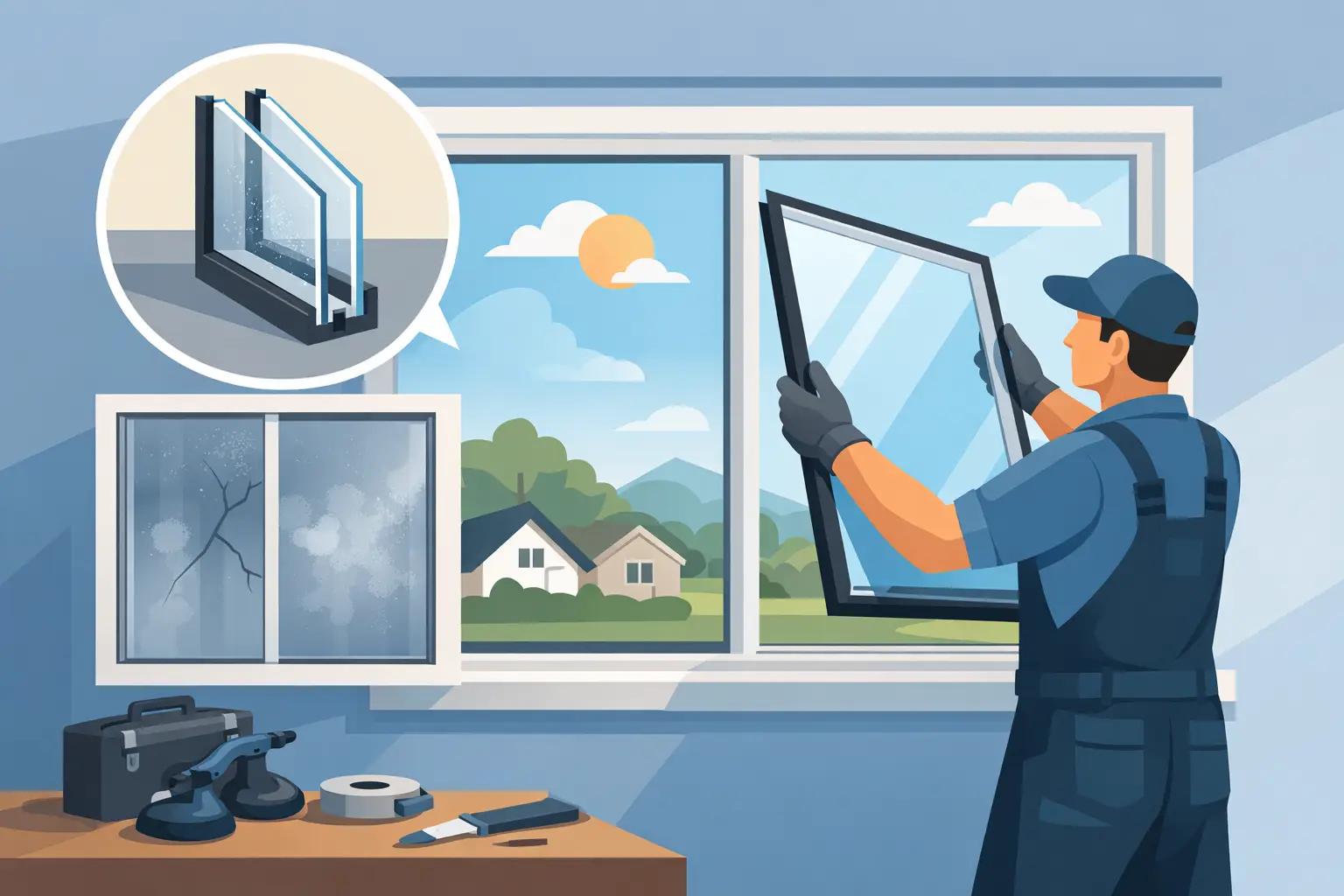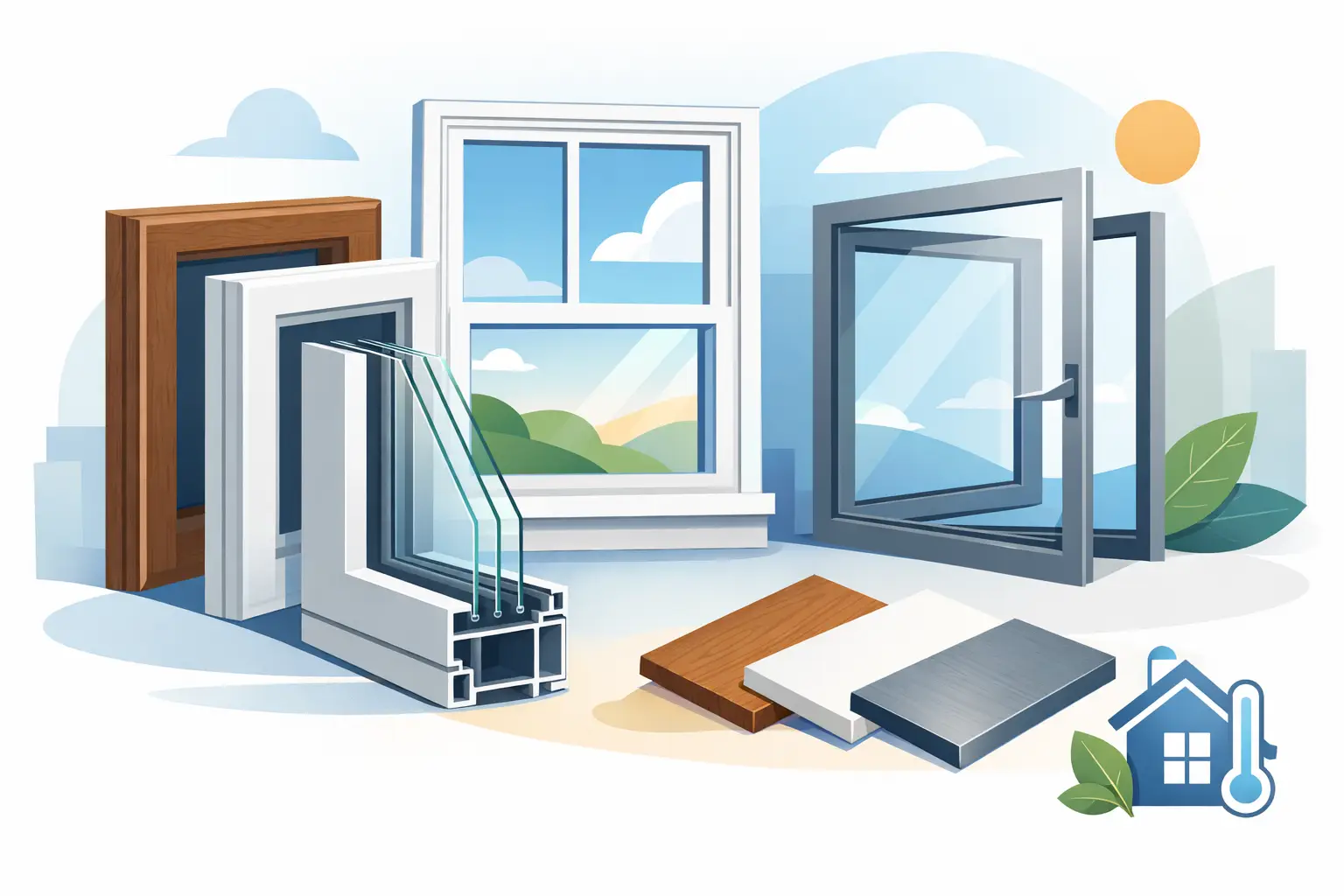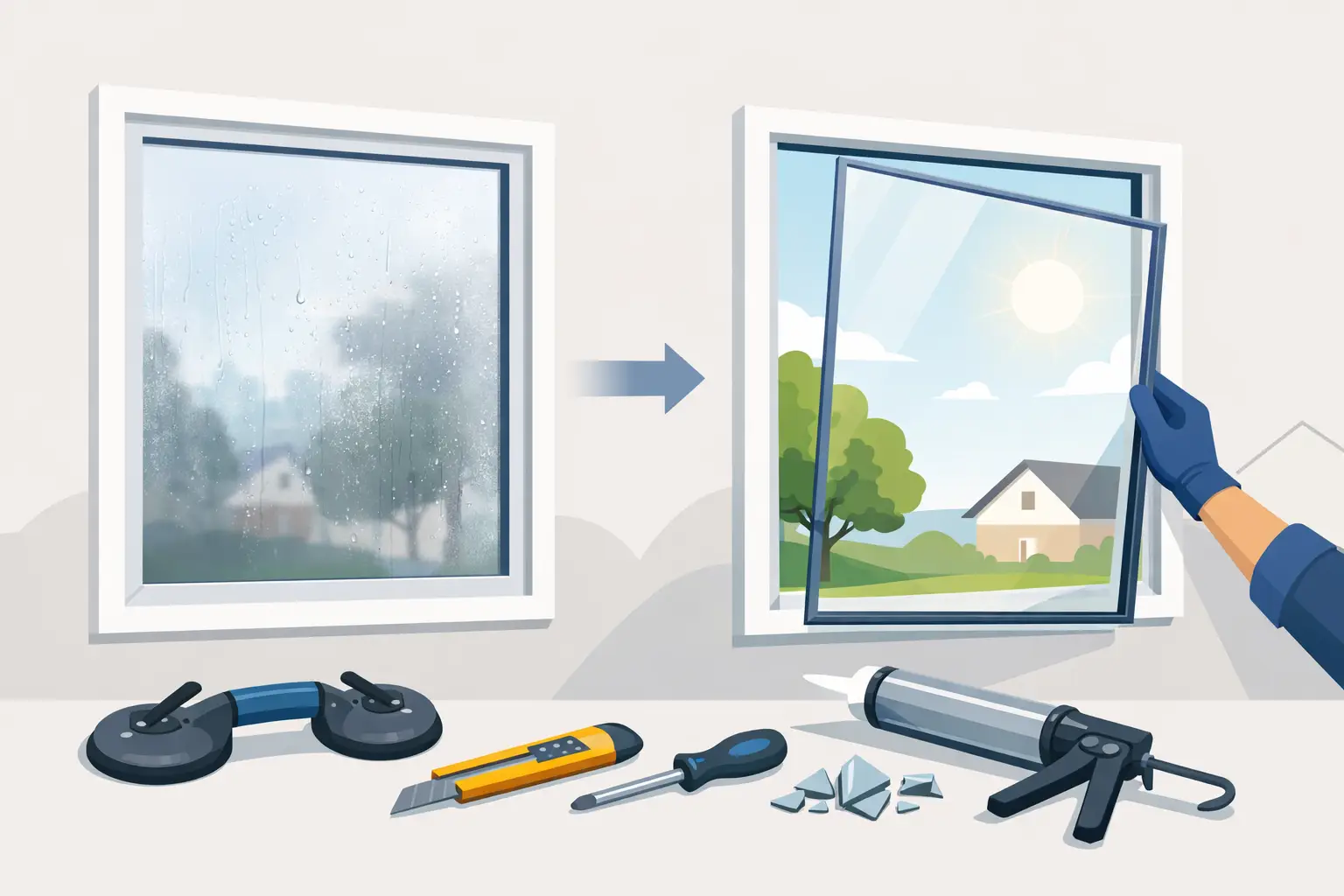

A window shapes the way a room feels before anyone notices the frame, the hardware, or the trim. Morning light comes through it. Afternoon heat presses against it. Street noise meets it first. Privacy, comfort, safety, and energy performance all depend on a sheet of glass doing far more work than most homeowners ever stop to consider.
Choosing window glass is less about picking a product from a list and more about understanding how the home lives. A kitchen window facing the afternoon sun has a different job than a bathroom window near a side yard. A bedroom near a busy street needs something different than a picture window looking toward the mountains. A coastal home in Carpinteria may face different conditions than a hillside home in Santa Barbara or a family home in Goleta.
The best glass choice begins with a simple question: what should this window help the room do better?
Why Window Glass Type Matters
Window glass influences how much light enters a room, how much heat passes through, how safe the window is, how much outside sound reaches the interior, and how much privacy the space provides. Two windows may look similar from across the room while performing very differently day after day.
Clarity, strength, heat control, sound reduction, and privacy each call for a different kind of glass. The right choice depends on the room, the view, the exposure, the style of the home, and the comfort goals of the people living there.
For Santa Barbara-area homes, glass selection can matter even more because sun, salt air, marine layer, wind, and aging home materials all influence long-term performance.
Clear Glass
Bright, straightforward, and familiar, clear glass is the classic choice for homeowners who want clean visibility and natural light. It suits many standard window openings, especially when the goal is to preserve the existing look of the home.
Older properties, interior glass areas, and simple pane replacements often call for a clean match that blends quietly into the room. In those cases, clear glass does its job with almost no visual interruption.
Its strength is simplicity. It keeps the view open, maintains the original character of the window, and fits many everyday residential needs. Rooms that call for stronger heat control, added privacy, safety glazing, or noise reduction may benefit from one of the more specialized options below.
Tempered Glass
Strength and safety are the reason this option exists. Through a heat-treatment process, the glass becomes stronger than standard glass and is designed to break into small pieces if impact occurs.
That break pattern matters in active areas of a home. You will often find this type of safety glass near doors, in bathrooms, close to floors, around stairways, in sliding glass doors, and in other locations where building codes or common sense call for extra protection.
For a homeowner, the value is peace of mind. Tempered glass may look simple once installed, yet it carries an important safety role in places where people move, gather, and live every day.
Laminated Glass
A protective inner layer gives laminated glass its quiet strength. The layer sits between sheets of glass and helps hold the panel together if damage occurs.
That design can be reassuring in rooms where security, sound reduction, or containment matter. In the event of breakage, the glass tends to remain bonded to the inner layer, helping limit exposure and keeping the damaged area more contained.
Bedrooms near busy streets, larger window openings, homes needing extra sound control, and properties where added security feels important may all benefit from laminated glass.
Low-E Glass
Comfort is where this option shines. Low-E glass has a thin, nearly invisible coating that helps manage heat transfer while still allowing natural light to fill the room.
For Santa Barbara homes with strong afternoon exposure, that coating can help reduce heat gain in sunny spaces while keeping the room bright and open. It is especially useful in living areas, bedrooms, and larger windows where sunlight changes the feel of the room throughout the day.
Modern replacement windows and insulated glass units often use Low-E technology because it supports better energy performance while preserving the daylight homeowners enjoy.
Dual-Pane Insulated Glass
Two panes with a sealed space between them create a stronger barrier between indoor comfort and outdoor conditions. That sealed space helps reduce heat transfer and gives the window a more substantial, comfortable feel.
Modern homes and replacement window systems often rely on dual-pane glass to support energy efficiency, reduce drafts, and soften outside noise. Compared with older single-pane glass, the difference can be felt in everyday comfort.
Obscure and Privacy Glass
Light belongs in a room. Clear visibility into every room does not. Textured, frosted, patterned, and softened glass options help solve that tension beautifully.
Bathrooms, laundry rooms, side-yard windows, entry areas, and certain bedroom windows often need daylight and privacy at the same time. The right privacy glass keeps the space bright while creating a more comfortable sense of separation.
For homes close to neighbors, sidewalks, driveways, or outdoor living areas, obscure glass can make a room feel more relaxed without closing it off from natural light.
Decorative and Specialty Glass
Character matters, especially in homes with architectural detail. Patterned glass, textured glass, tinted glass, privacy finishes, and custom design choices can help a window feel connected to the style of the property.
Spanish-style homes, cottages, older Santa Barbara properties, and custom residences may use specialty glass to preserve charm or create a specific visual effect. In other homes, the purpose may be practical: reduce glare, add privacy, match an existing panel, or soften the look of a room.
The best decorative choice feels intentional. It adds interest while respecting the home’s existing character.
Sound-Control Glass
Quiet can change the whole experience of a room. Traffic, school activity, nearby construction, neighbors, and busy streets all shape how comfortable a space feels from the inside.
Laminated glass and certain insulated glass combinations can help reduce sound transfer. Bedrooms, home offices, nurseries, and living spaces often benefit most from that added acoustic comfort.
True sound control also depends on the full window system, including the frame, seals, installation, and surrounding conditions. The glass plays a major role, while the complete assembly helps determine the final result.

Cost and Value Considerations
Window glass choices can vary widely in cost. Clear glass is usually more straightforward. Tempered glass, laminated glass, Low-E glass, insulated glass, and specialty options can add performance benefits while increasing the investment.
The right decision comes from balancing budget with purpose. A simple replacement pane may be enough for a basic repair. A sun-facing room may justify Low-E glass. A noisy bedroom may benefit from laminated glass. A bathroom may call for privacy glass. A safety-sensitive area may require tempered glass.
The value is found in choosing the glass that solves the right problem.
A Simple Way to Think About Your Options
Homeowners can make the decision easier by asking a few practical questions:
- Do I need clear visibility, privacy, or both?
- Does this room get too hot during the day?
- Is outside noise a concern?
- Is the glass near a door, floor, bathroom, stairway, or active area?
- Is the window part of an older home where matching matters?
- Do I want a simple repair or a performance upgrade?
- Is this one problem window or part of a larger home improvement plan?
These answers help narrow the field quickly.
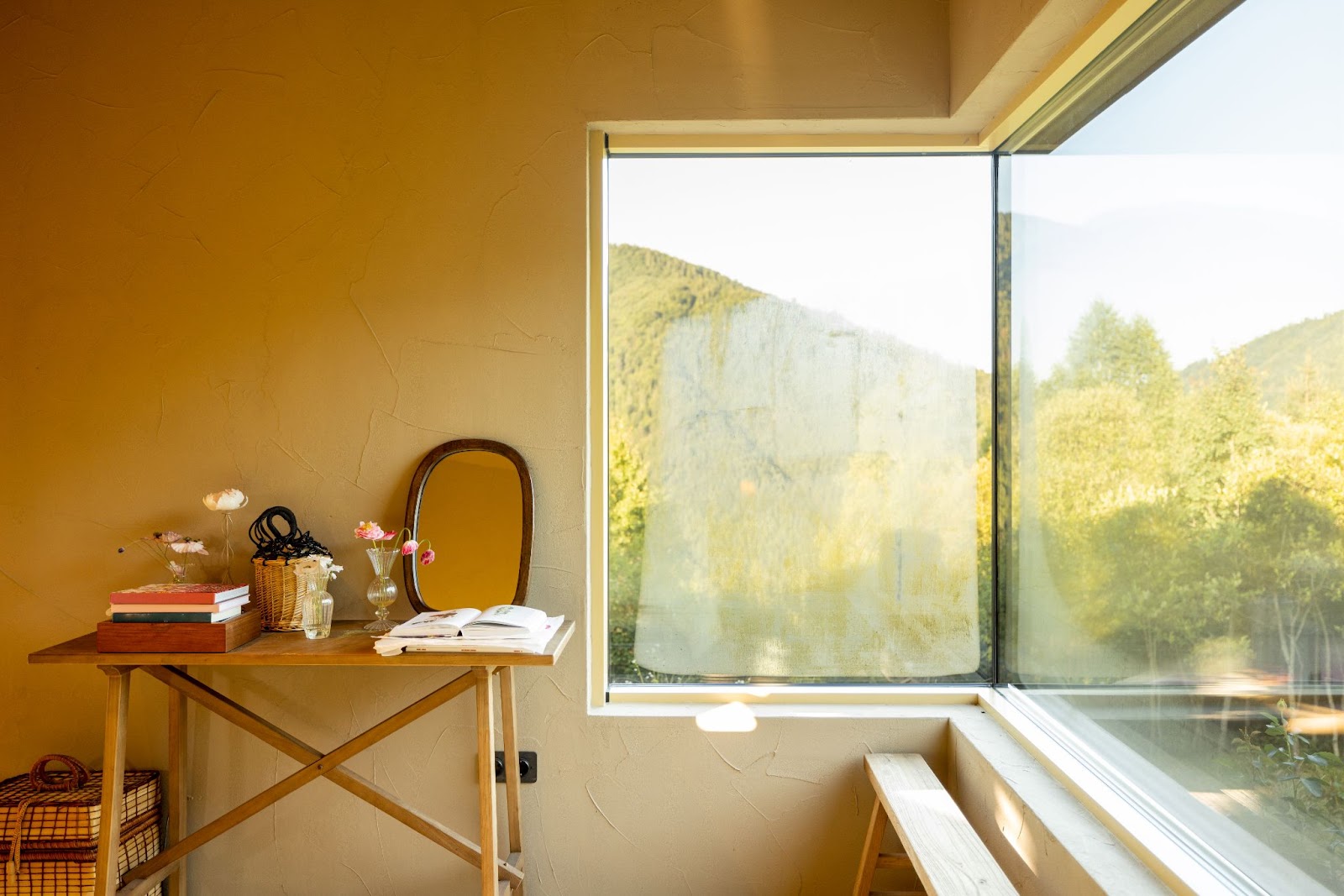
Bringing the Choice into Focus
The best window glass choice comes from matching the material to the purpose of the space. Once the goals are clear, visibility, comfort, privacy, safety, sound control, and style all become easier to weigh.
For many homeowners, that simple understanding is enough to ask better questions and feel more confident before making a decision.
Need Help Choosing Glass for Your Home?
Resilience Glass helps Santa Barbara-area homeowners choose practical, attractive glass solutions for window glass, glass repair, shower glass, mirrors, sliding glass doors, and residential glass projects.
If you are comparing glass options for a repair, replacement, or home improvement project, Olaf Karlsen and the Resilience Glass team can help you understand what makes sense for your home.