
Getting your first window replacement estimate can raise more questions than answers. One room feels drafty. Another gets too much afternoon sun. A street-facing window lets in more noise than it should. Then the estimate arrives, and the question becomes more specific: what should window replacement cost per window?
Across Santa Barbara area homes, that answer depends on the window itself and the conditions around it. Size, frame material, glass package, hardware, access, trim work, and coastal exposure can all shape the final number. A clean first-floor replacement can price very differently from a custom opening, a second-story window, or a home with hidden frame damage.
Resilience Glass helps homeowners compare the right options before work begins, so each window fits properly, performs well, and looks right for the home. A clear estimate should explain more than price. It should explain what you are getting, why it matters, and how the finished installation supports comfort, appearance, and long-term value.
Quick Answer: What Affects Window Replacement Cost Per Window?
Most window replacement costs are shaped by five main factors: window size, frame material, glass package, installation conditions, and the level of finish required around the opening.
For many homeowners, a practical planning range starts around $450 to $1,500 per installed window. Larger units, specialty glass, custom sizing, upgraded frame materials, second-story access, and detailed finish work can move the final investment higher. In Santa Barbara, Montecito, Goleta, Carpinteria, and nearby coastal communities, sun exposure, moisture, salt air, and building conditions can also influence the best recommendation.
What Drives the Final Quote
Every window opening has its own combination of material, glass, labor, and site conditions. A standard vinyl window in a simple opening usually sits in a different pricing range than a larger picture window, custom wood window, or upgraded energy-efficient unit.
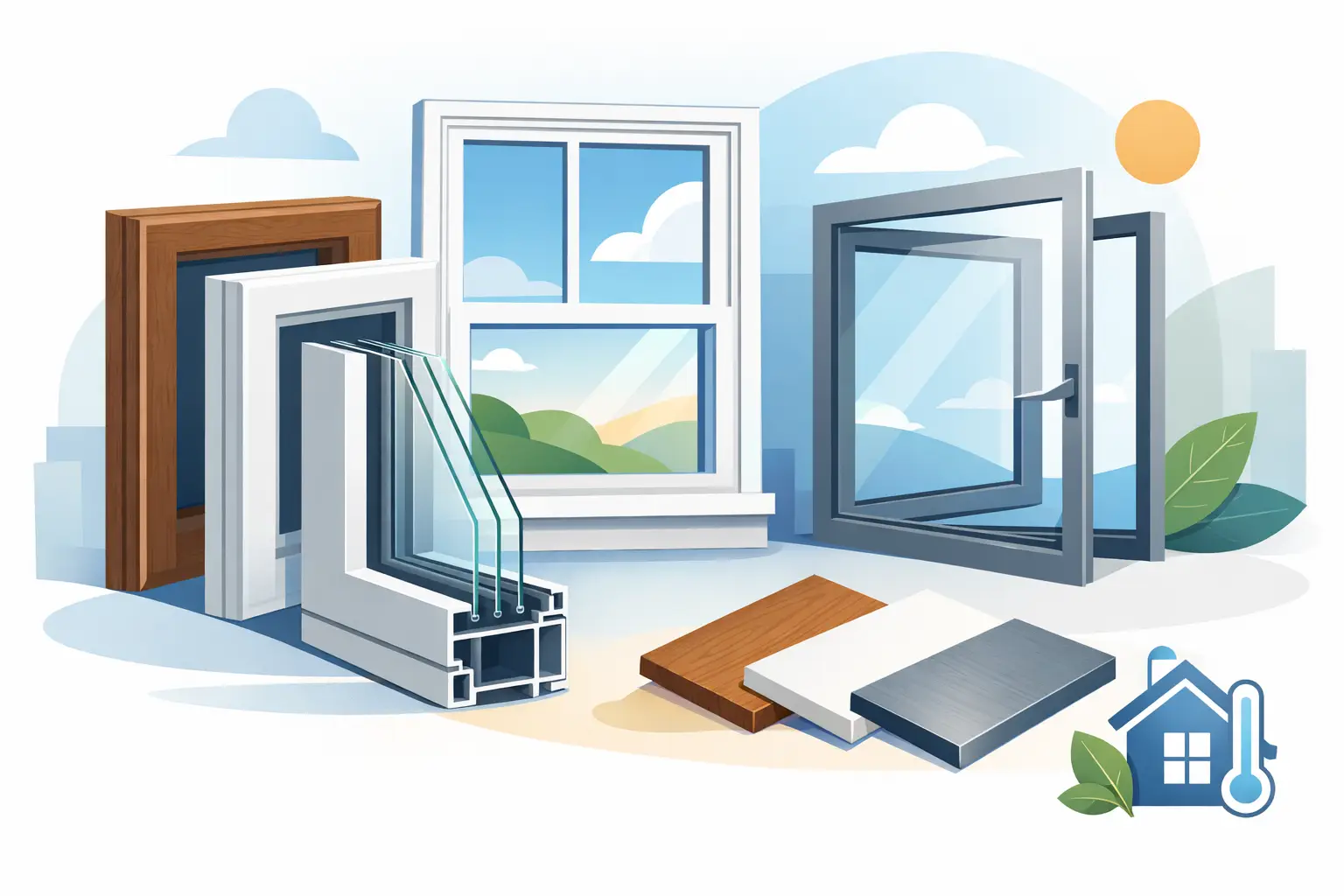
Frame material plays a major role. Vinyl often provides strong value and simple upkeep. Fiberglass, wood, aluminum, and composite products can offer different advantages in strength, appearance, profile size, and long-term performance.
Glass selection also changes the final quote. Dual-pane insulated glass, low-E coatings, tempered safety glass, laminated glass, sound-reducing glass, and impact-resistant options each serve a different purpose. Along the coast, glass choices can support comfort, sun control, privacy, safety, and energy performance.
Installation complexity matters as well. Ground-floor windows with easy access are usually more straightforward. Second-story openings, large fixed panes, tight access, custom trim, damaged frames, or water intrusion can add labor and preparation.
Typical Price Ranges Homeowners Can Expect
Cost ranges are most helpful when they are treated as planning numbers. A real quote should reflect the actual opening, chosen window, glass package, finish expectations, and installation conditions.
Many standard residential projects start around $450 to $1,500 per window installed. A smaller vinyl replacement window with standard glass may land near the lower end of that range. A larger unit with upgraded glass, custom sizing, specialty hardware, or more involved installation can move well above it.
Commercial properties, mixed-use buildings, rentals, and managed properties can follow a different pricing path because access, code requirements, glass specifications, and scheduling needs may add complexity.
Basic Replacement Windows
Entry-level projects often involve standard sizing, vinyl framing, insulated glass, and a clean existing opening. This path can work well for homeowners who want improved function, better sealing, and a fresh appearance at a practical price point.
A simple replacement can be a smart choice when the surrounding frame area is sound and the homeowner wants better comfort without moving into custom design or premium finish work.
Mid-Range Upgrades
Many Santa Barbara homeowners land in this category because they want more than a basic swap. Upgraded glass, improved sound control, stronger hardware, larger sizes, or better frame materials can create a noticeable difference in daily comfort and long-term performance.
Mid-range window projects often make sense for sun-heavy rooms, street-facing windows, bedrooms, rental units, and homes where energy performance and appearance both matter.
Custom and Premium Installations
Design-focused homes, larger openings, specialty shapes, wood interiors, fiberglass frames, premium glass packages, and architectural details can move the project into a higher investment range.
Custom installations are common in remodels, coastal homes, and properties where the new windows need to match existing architecture. These projects often involve more measurement detail, careful product selection, and a higher level of finish work.
Material Choice and Window Cost
Frame selection affects the way a window looks, performs, and ages. The right choice should fit the home, the exposure, the budget, and the homeowner’s plans for the property.
Vinyl remains a popular option because it offers strong value, simple upkeep, and reliable performance for many residential projects. For homeowners focused on practicality, clean lines, and manageable cost, it often makes sense.
Fiberglass brings strength, stability, and a refined appearance. It can be a strong fit for homeowners who want long-term durability and a more elevated product line.
Wood offers warmth, character, and traditional style. Older homes, custom renovations, and design-forward interiors may benefit from its classic look and strong architectural presence.
Aluminum can support narrow sightlines and a modern feel. Product quality, finish, and thermal performance should be reviewed carefully, especially for coastal homes with steady sun and salt-air exposure.
Glass Upgrades That Add Comfort and Value
Performance glass can change how a room feels. A better glass package may help reduce heat transfer, soften glare, improve sound control, add privacy, or support safety in specific locations.
Dual-pane insulated glass is common in many replacement windows. Low-E coatings can help manage heat and sunlight. Tempered glass may be required or recommended in safety-sensitive areas. Laminated glass can support sound reduction, security, and impact resistance.
Strong recommendations should fit the room, not just the price sheet. A bedroom near a busy street may benefit from sound control. A west-facing living room may benefit from solar control. A bathroom or stairwell may call for privacy or safety glass. Each choice should serve the way the home is actually used.
Installation Quality Matters as Much as the Window
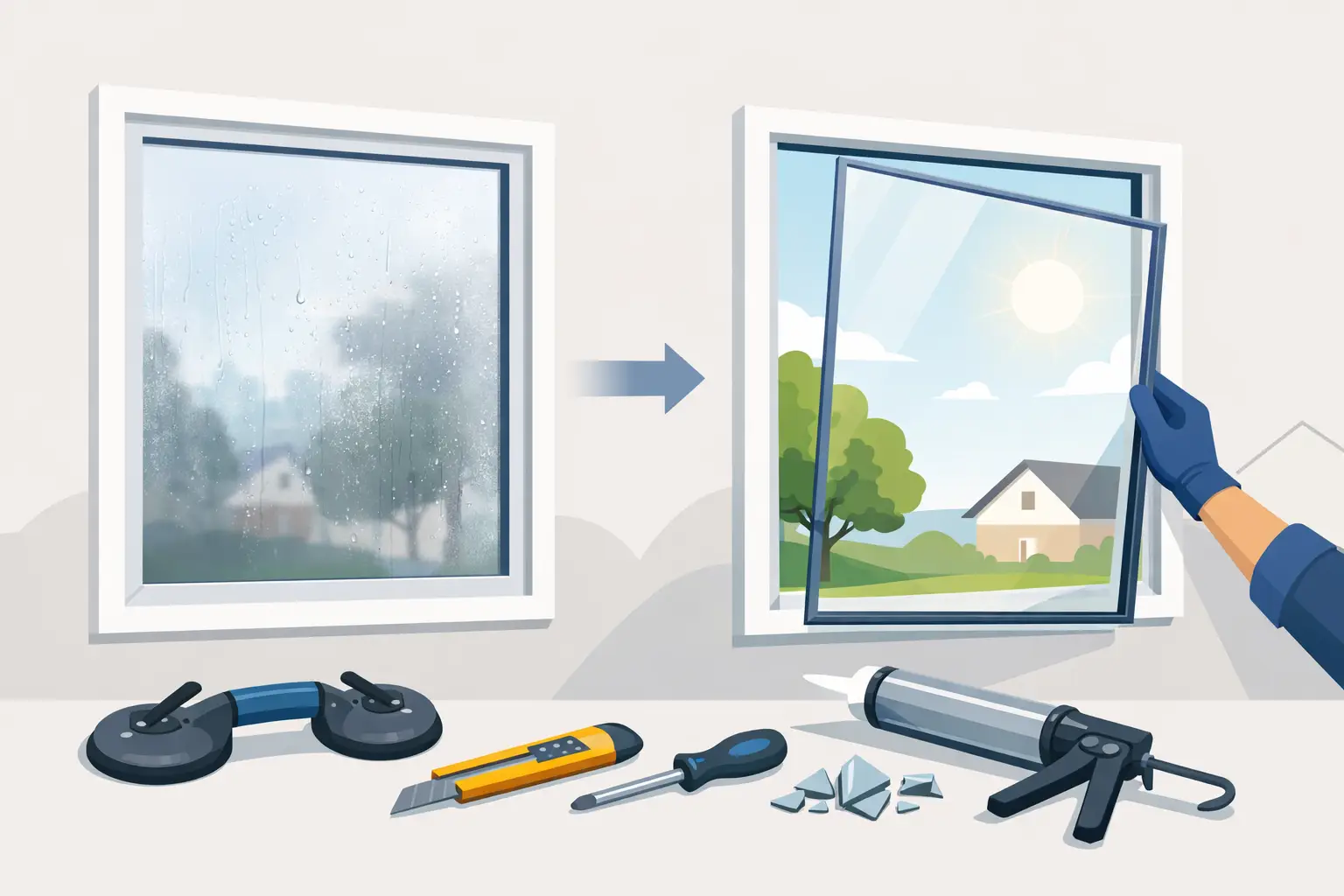
A strong result depends on the product and the installation working together. Careful measurement, clean removal, proper sealing, square placement, insulation around the frame, and neat finish work all influence performance.
Poor installation can create drafts, leaks, sticking sashes, moisture problems, and early service issues. A well-installed window should open smoothly, seal properly, look clean from inside and outside, and support the performance promised by the product.
Coastal properties make installation detail even more important. Wind, moisture, sun, and salt air can expose shortcuts quickly. Professional installation helps protect the investment and gives the window the best chance to perform as intended.
Repair or Full Replacement
Some window problems call for glass replacement or repair. Others point toward a full window replacement. The right answer depends on the condition of the frame, sash, hardware, seal, glass, and surrounding opening.
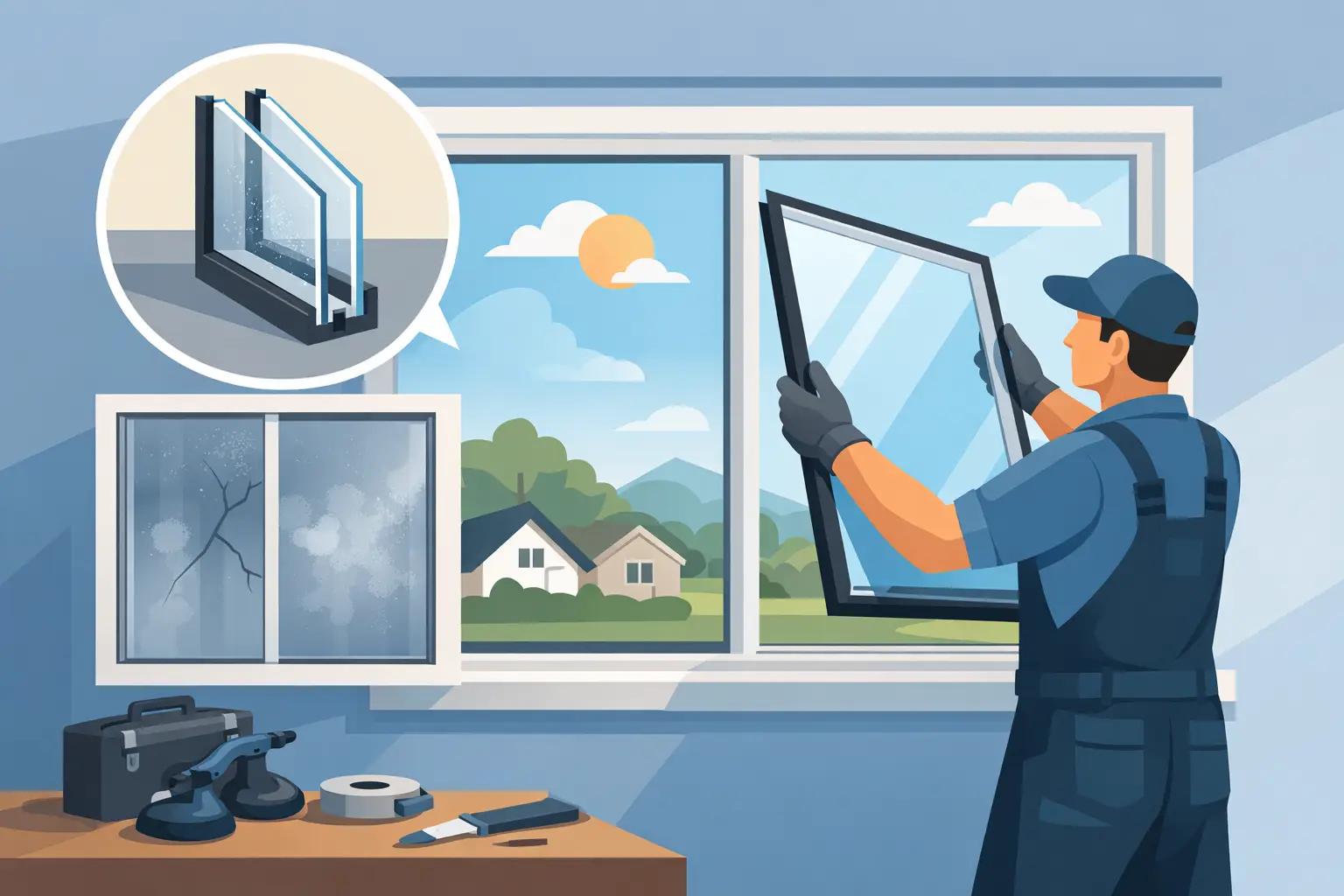
A solid frame with damaged glass may only need window glass replacement. Foggy insulated glass, cracked panes, or isolated glass damage can often be addressed without replacing the entire unit.
A window with frame damage, operation problems, air leaks, water intrusion, outdated materials, or repeated service issues may benefit from full replacement. Paying for a repair around a failing window can become a short-term fix, while a properly selected replacement can improve comfort, appearance, and long-term performance.
A trustworthy contractor should explain both paths clearly. The goal is to solve the actual problem with a result that lasts.
How to Compare Window Replacement Quotes
Two estimates can look similar at first glance and include very different levels of service. Review more than the headline number.
Ask what is included in the price. A complete estimate should clarify the window product, glass package, frame material, labor, disposal, trim work, permits if needed, timeline, warranty coverage, and any finishing details around the opening.
Ask whether the product includes NFRC performance ratings so you can compare energy-related features with more confidence.
Product quality also matters. Compare frame construction, glass performance, hardware, installation method, and service support. A company like Resilience Glass understands that local customers are hiring more than a product. They are hiring a team to show up on time, install with care, and stand behind the work.
Budgeting for a Smarter Window Upgrade
Homeowners replacing several windows can prioritize the areas creating the most noticeable problems first. Drafty bedrooms, sun-heavy living rooms, street-facing windows, and visibly worn frames often deliver the clearest improvement.
Phased replacement can also make sense. Some homes benefit from replacing the most important windows first, then planning future sections as budget allows. That approach can support comfort, appearance, and energy performance while keeping the project manageable.
Good planning looks past the invoice. New windows can improve daily comfort, reduce outside noise, support efficiency, refresh curb appeal, and give a property a cleaner finished look. For long-term owners, those benefits matter.
Work With the Right Team
A clear window replacement estimate starts with the actual opening, the condition of the surrounding frame, the glass needs, and the way each room is used every day. Resilience Glass brings more than 25 years of hands-on experience to residential glass and window projects throughout Santa Barbara, Goleta, Montecito, Carpinteria, and nearby communities.
Whether you are comparing replacement windows, upgrading glass for comfort, or deciding between repair and full replacement, Olaf Karlsen and the Resilience Glass team can help you choose the right path with clear guidance and professional installation.
Call Resilience Glass at (805) 970-4643 or email [email protected] to schedule a free consultation.
Clear glass. Clean lines. Work done the right way.