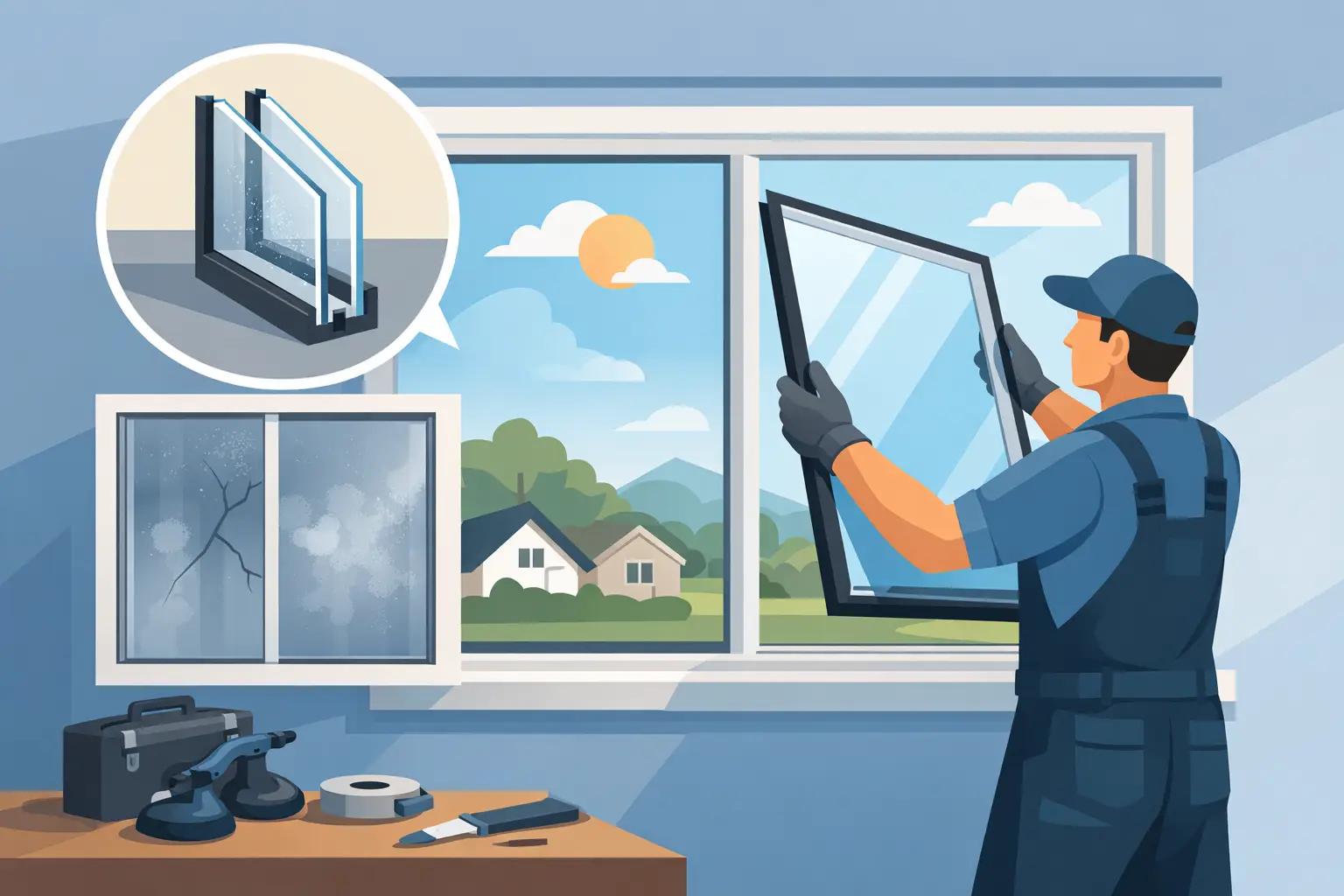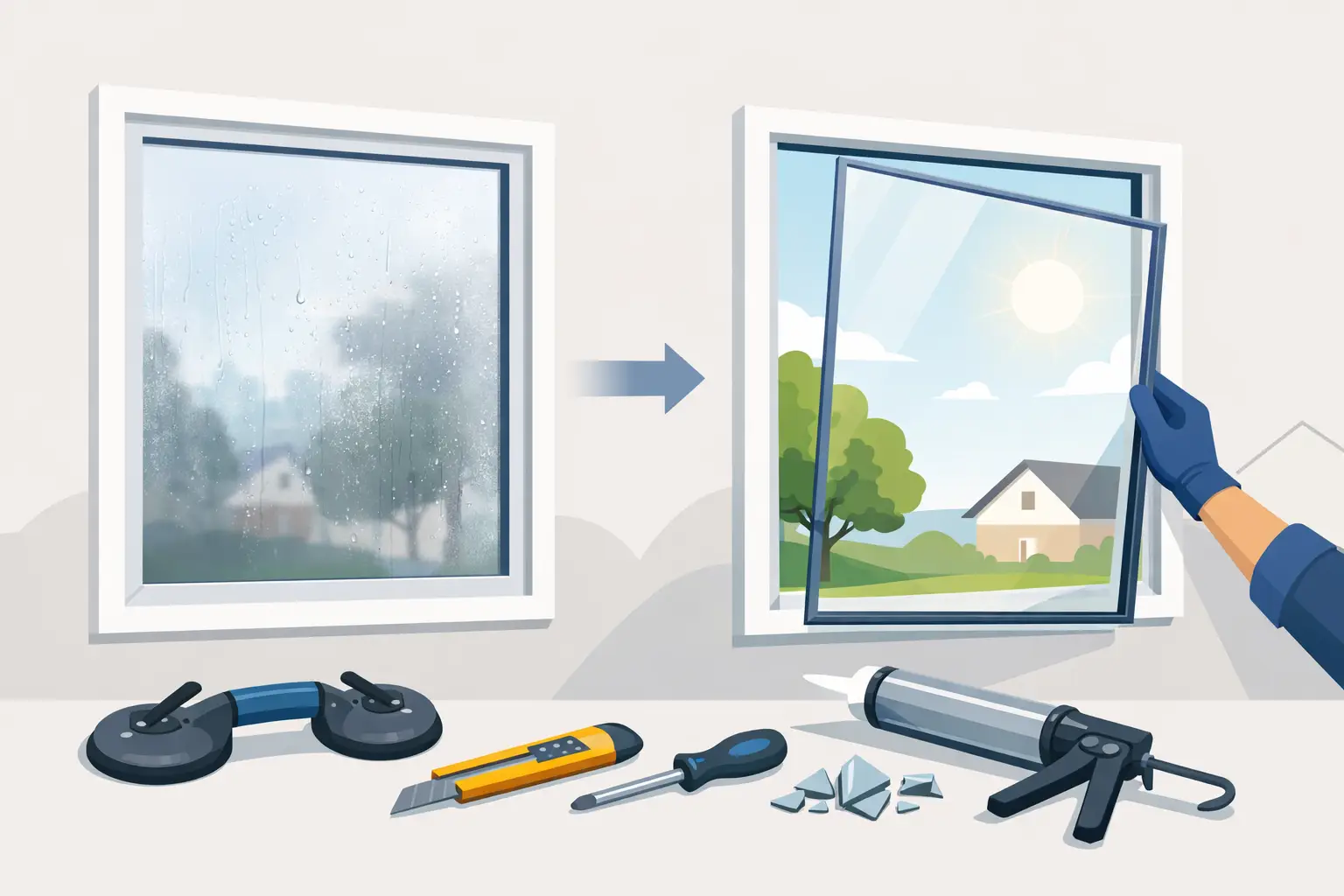
You notice it first in the morning. A little draft near the window, a frame that takes extra effort to open, or a finish that looks more weathered than the rest of the room. At first, it feels like a small maintenance issue. Then you start seeing the same signs in other parts of the house.
For Santa Barbara area homeowners, replacement windows involve more than choosing a style that looks good from the curb. The frame material affects comfort, energy performance, upkeep, durability, and how well the finished window holds up against coastal air, moisture, sun exposure, and everyday use.
A smart window upgrade starts with the material. Vinyl, wood, fiberglass, aluminum, and composite windows each bring a different balance of appearance, performance, maintenance, and cost. Understanding those differences helps homeowners, property managers, and business owners choose windows that fit the property and perform well over time.
A Practical Look at Replacement Window Materials
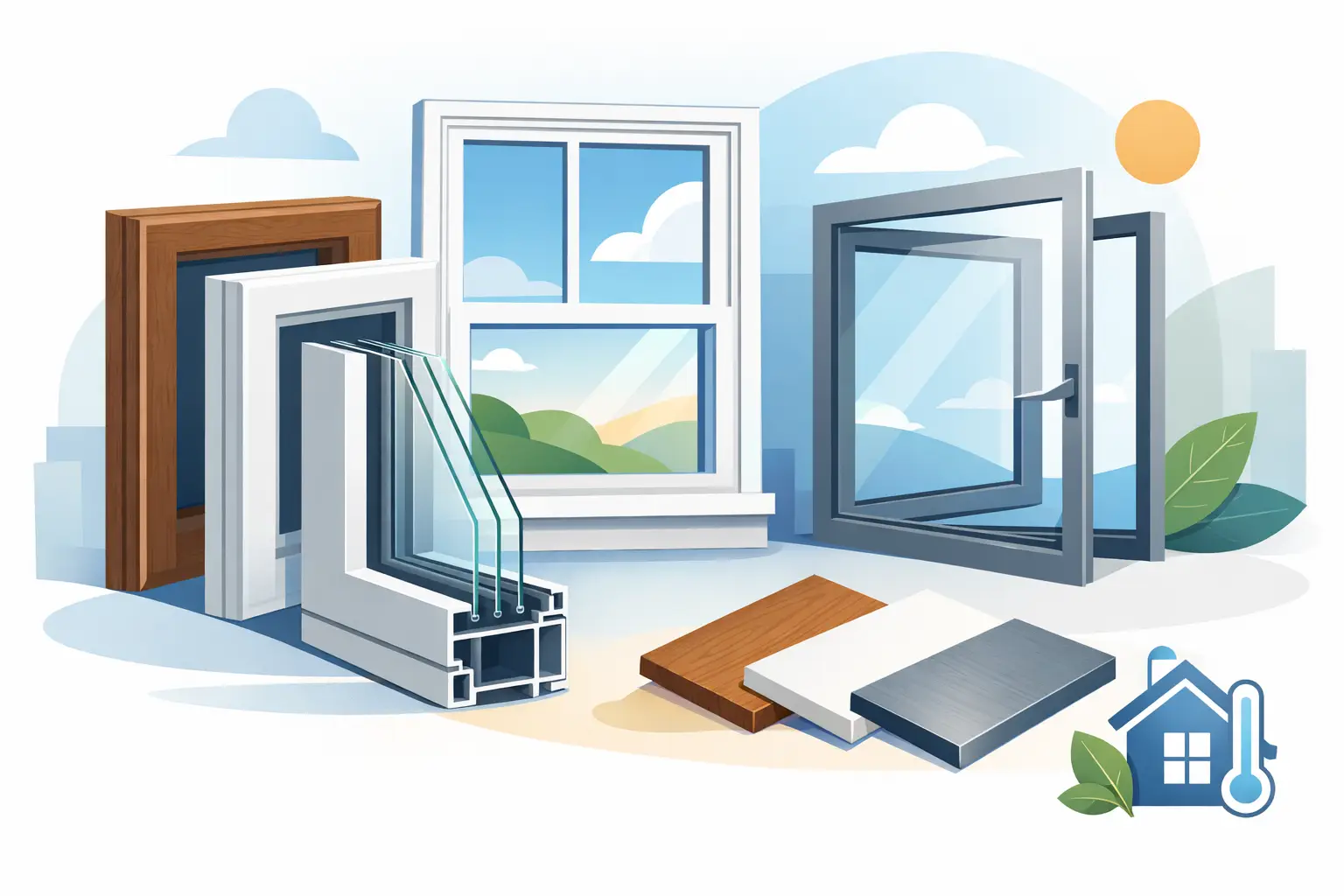
Most replacement windows fall into five main frame categories: vinyl, wood, fiberglass, aluminum, and composite. Each material has strengths, and each one fits certain homes, budgets, and project goals.
The right choice depends on what matters most to you. Some homeowners want a clean look with minimal maintenance. Others care most about matching the character of an older property. Property managers often focus on durability, predictable upkeep, and long-term value. Business owners may need a balance of appearance, strength, and performance.
Vinyl Windows
Vinyl is one of the most popular replacement window materials for good reason. It is cost-effective, energy efficient, and relatively low maintenance. It also avoids painting, which makes it appealing for homeowners who want a clean finish with simple long-term care.
For many homes, vinyl offers a strong balance of price and performance. It can improve insulation compared with older metal frames and may help reduce drafts and outside noise when paired with quality glass packages and professional installation.
Product quality matters. Lower-grade vinyl can warp, discolor, or feel less rigid over time, especially in areas with strong sun exposure. Color choices and profile styles may also feel more limited than wood or fiberglass. When appearance is a high priority, comparing actual product lines is more helpful than assuming all vinyl windows look alike.
Wood Windows
Wood remains the classic choice for warmth, character, and architectural detail. In older homes, custom renovations, and higher-end properties, wood can be the right fit because it delivers a traditional look many homeowners value.
Wood also insulates well. From a performance standpoint, it can be an excellent frame material when properly built and maintained. The tradeoff is upkeep. Wood needs regular finishing and close attention to moisture exposure. In coastal communities, that maintenance becomes especially important because humidity and salt air can accelerate deterioration when the finish fails.
Wood is often a strong choice when preserving the style of the home matters more than minimizing maintenance. For some projects, wood-clad options can help bridge that gap by offering a wood interior with a more weather-resistant exterior.
Fiberglass Windows
Fiberglass is often considered a premium frame material because it is strong, stable, and highly resistant to expansion and contraction from temperature changes. That stability can support long-term performance, especially in homes where energy efficiency and durability are top priorities.
One of fiberglass’s biggest advantages is that it tends to hold its shape well over time. It can also be painted on many product lines, giving homeowners more design flexibility than standard vinyl. In a climate where sun exposure is constant, that added stability can be a real benefit.
Cost is the main consideration. Fiberglass usually sits above vinyl, and sometimes close to or above certain wood options depending on the product. For homeowners planning to stay in the property long term, the higher upfront cost may be worth it. For tighter budgets, quality vinyl may still make practical sense.
Aluminum windows
Aluminum has a sleek, modern appearance and is known for strength, especially in larger openings or commercial applications. It works well in certain architectural styles and can create thinner sightlines than bulkier frame materials.
Energy performance requires careful review. Metal conducts heat more readily than vinyl, wood, or fiberglass, which can make insulation performance less favorable unless the product includes a thermal break and upgraded glazing. Along the coast, aluminum also needs the right finish and product quality to resist corrosion over time.
For some contemporary homes, storefronts, and commercial settings, aluminum can still be the right solution. It simply needs to be selected carefully, with performance in mind alongside appearance.
Composite Windows
Composite frames combine materials to improve strength, stability, and insulation. Depending on the manufacturer, these windows may blend wood fibers, polymers, or other engineered components. The goal is usually to capture the best parts of multiple materials while reducing their weaker points.
Composite can be a strong middle-ground option for customers who want durability and energy performance with less maintenance than wood. Like fiberglass, it often sits at a higher price point than vinyl. Product quality varies, which makes expert guidance especially valuable in this category.
How to Compare Replacement Window Materials for Your Property
A good guide to replacement window materials should not stop at listing pros and cons. The better question is how those pros and cons apply to your building, your location, and your goals.
If your main priority is value, vinyl often leads the conversation. If your property has historic character, wood may deserve a closer look. If you want long-term stability with minimal maintenance and are willing to invest more upfront, fiberglass or composite can be worth serious consideration. If your design leans modern or your opening sizes are large, aluminum may still fit the project.
It also helps to think beyond the frame itself. Window performance depends on the full system, including the glass package, weatherstripping, hardware, and the quality of the installation. Even a premium window can underperform if it is not measured, fitted, and sealed correctly.
Coastal conditions change the equation
A useful comparison should go beyond a basic list of pros and cons. The better question is how each material fits your building, location, budget, and goals.
If your main priority is value, vinyl often leads the conversation. If your property has historic character, wood may deserve a closer look. If long-term stability with minimal maintenance is the priority, fiberglass or composite may be worth serious consideration. If your design leans modern or the opening size is large, aluminum may still fit the project.
Window performance also depends on the full system, including the glass package, weatherstripping, hardware, and installation quality. Even a premium window can underperform when it is measured, fitted, or sealed poorly.
Coastal Conditions Matter
In Santa Barbara, Montecito, Goleta, Carpinteria, Summerland, and nearby communities, coastal exposure deserves real attention. Salt air, UV exposure, and moisture can all affect how window materials age.
Low-maintenance materials are often attractive in this region. Vinyl, fiberglass, and certain composite products are often easier to live with over time than unfinished or poorly maintained wood. At the same time, product quality matters. A well-made wood window can outperform a low-grade vinyl unit when it is installed and maintained correctly.
Local experience counts. A contractor who regularly works on coastal homes and businesses can help you choose materials that look good in a showroom and continue performing well in your actual environment.Window replacement changes how a property looks from both inside and outside. Frame thickness, finish color, and profile shape all affect curb appeal. On higher-visibility homes, that can influence resale value just as much as energy savings.
Wood often wins on traditional beauty. Fiberglass and composite can offer a more refined look than entry-level vinyl. Aluminum suits clean, modern architecture. Vinyl remains versatile, but the best visual result usually comes from choosing a quality line that matches the style of the home rather than simply choosing the lowest price.
Aesthetics and Resale Value
Window replacement changes how a property looks from both inside and outside. Frame thickness, finish color, profile shape, and glass style all influence curb appeal. On high-visibility homes, those choices can influence resale value just as much as energy savings.
Wood often wins on traditional beauty. Fiberglass and composite can offer a more refined look than entry-level vinyl. Aluminum suits clean, modern architecture. Vinyl remains versatile, especially when a quality product line matches the style of the home.
The best visual result usually comes from choosing a frame material that fits the home’s architecture, not just the budget.
Installation Matters as Much as the Material
Many homeowners spend a lot of time comparing frame materials and very little time evaluating installation quality. A strong installation is what allows the material to perform as intended.
A poorly installed window can leak air, trap moisture, stick during operation, or fail earlier than expected. A precise installation supports energy efficiency, water resistance, smooth operation, and a polished finished appearance. For replacement projects, experience also helps identify hidden issues like framing damage, outdated openings, or water intrusion before they become larger concerns.
That is why many customers benefit from working with a local specialist who can assess the full opening, explain material options clearly, and recommend a solution that fits the property instead of pushing a one-size-fits-all product.
Which Replacement Window Material Is Best?
The best material depends on the property. For many homes, vinyl is the practical favorite because it delivers strong value and low maintenance. For custom homes or older architecture, wood may be the better visual match. For long-term durability and premium performance, fiberglass and composite stand out. For certain modern residential and commercial settings, aluminum still has a place.
A site-specific recommendation is usually more helpful than a general comparison. Resilience Glass works with local homeowners and businesses to evaluate window condition, discuss performance goals, and recommend materials that fit the building, budget, and coastal environment.
The smartest window choice is rarely the one with the loudest marketing. It is the one that fits your property, stands up to your conditions, and is installed with care from the start.
Work With the Right Team
If you are planning replacement windows, start with a clear conversation about your property, your goals, and the materials that make the most sense for your location. Resilience Glass brings more than 25 years of hands-on glass and window experience to homes and businesses throughout Santa Barbara, Goleta, Montecito, Carpinteria, and nearby communities.
Whether you are comparing vinyl, wood, fiberglass, aluminum, or composite windows, our team can help you understand the right path before the project begins.
Call Resilience Glass at (805) 970-4643 or email [email protected] to schedule a free consultation.
Clear glass. Clean lines. Work done the right way.