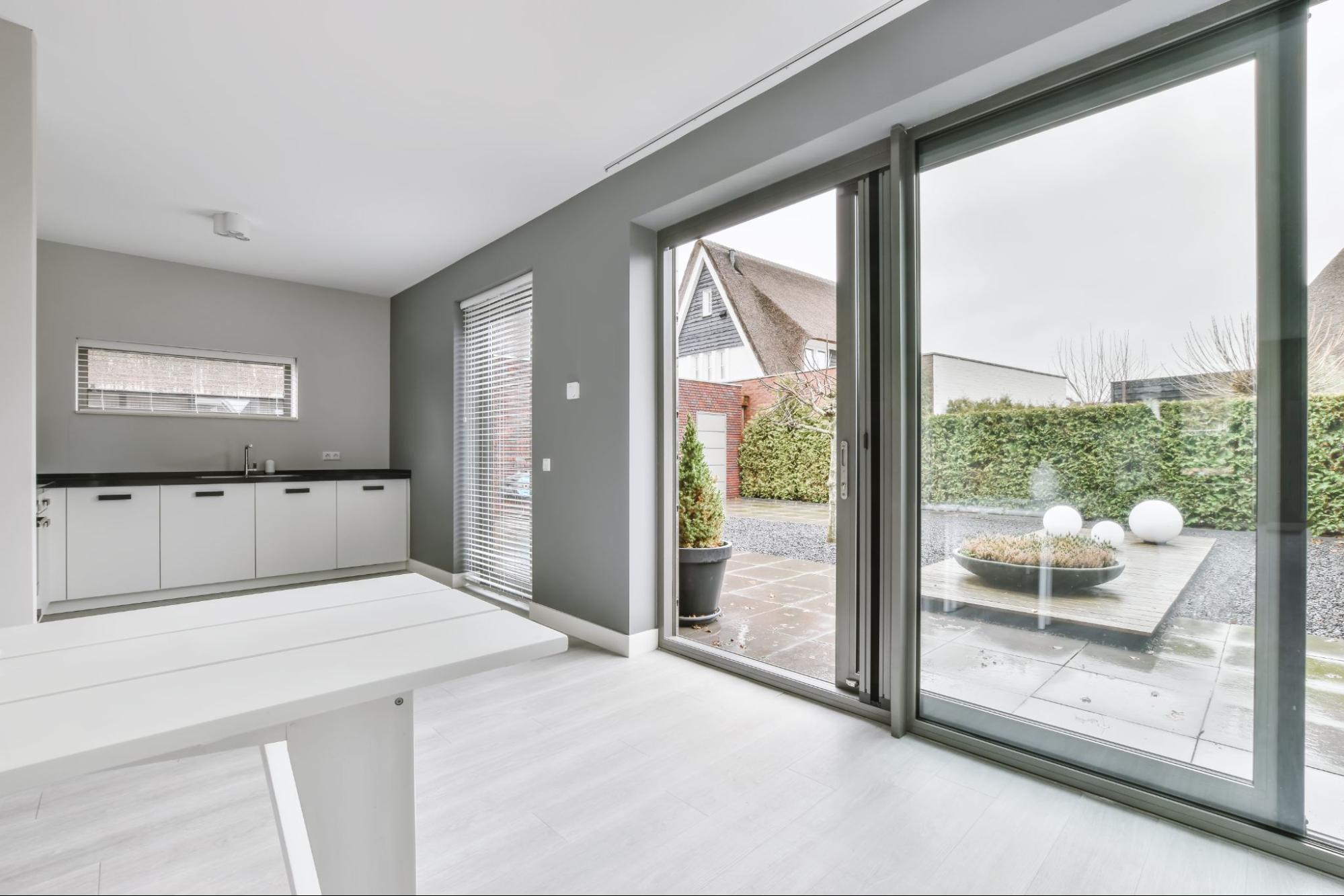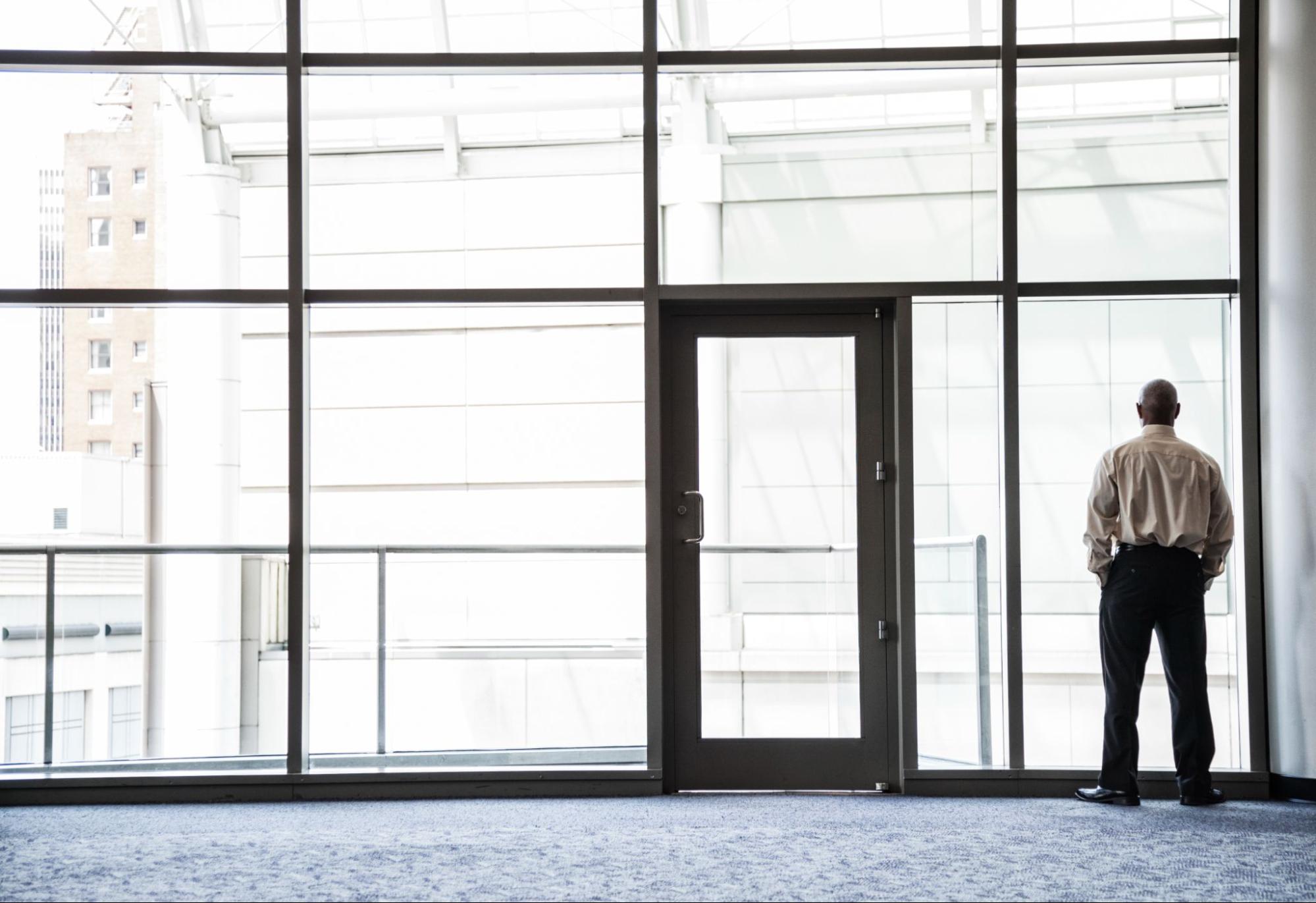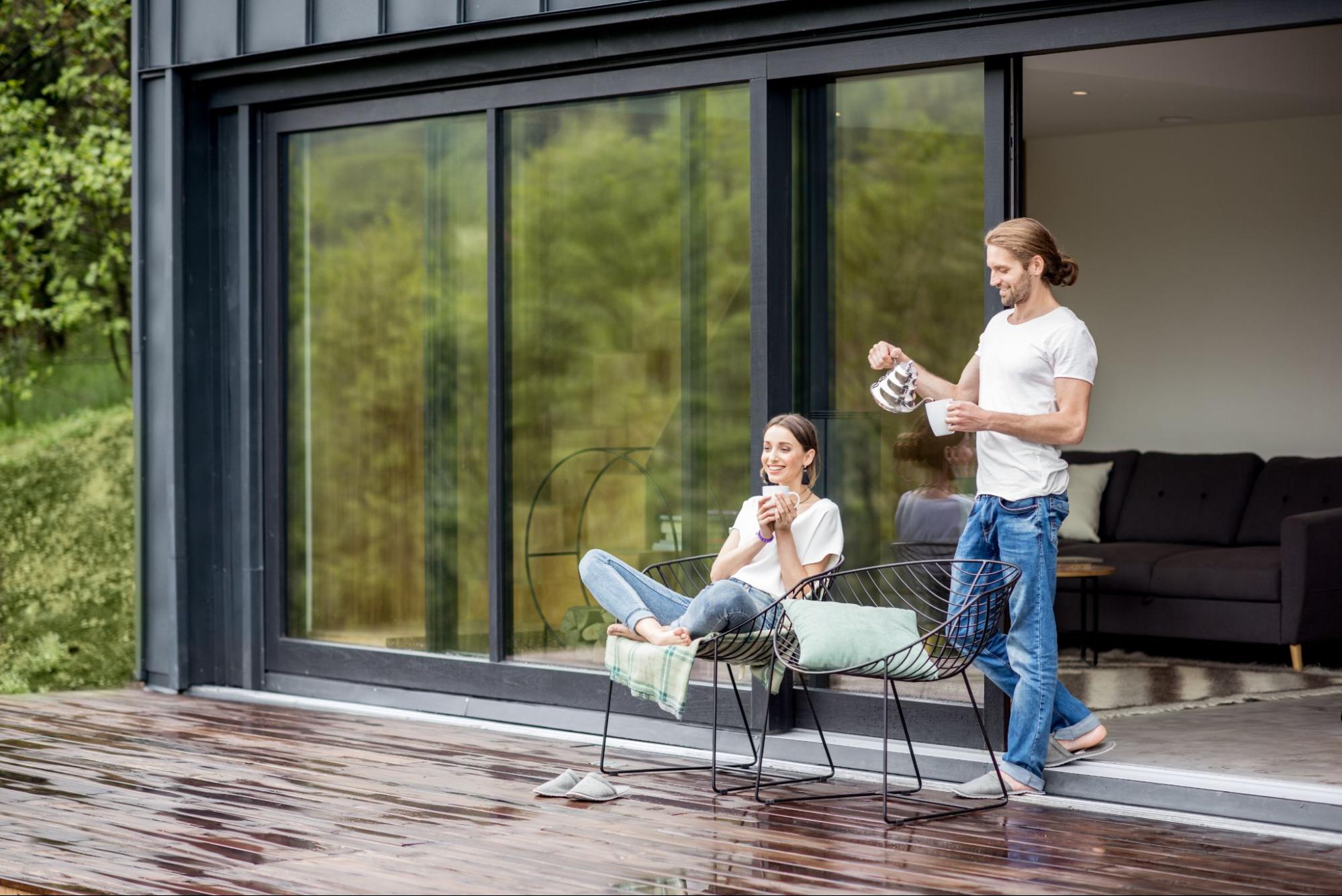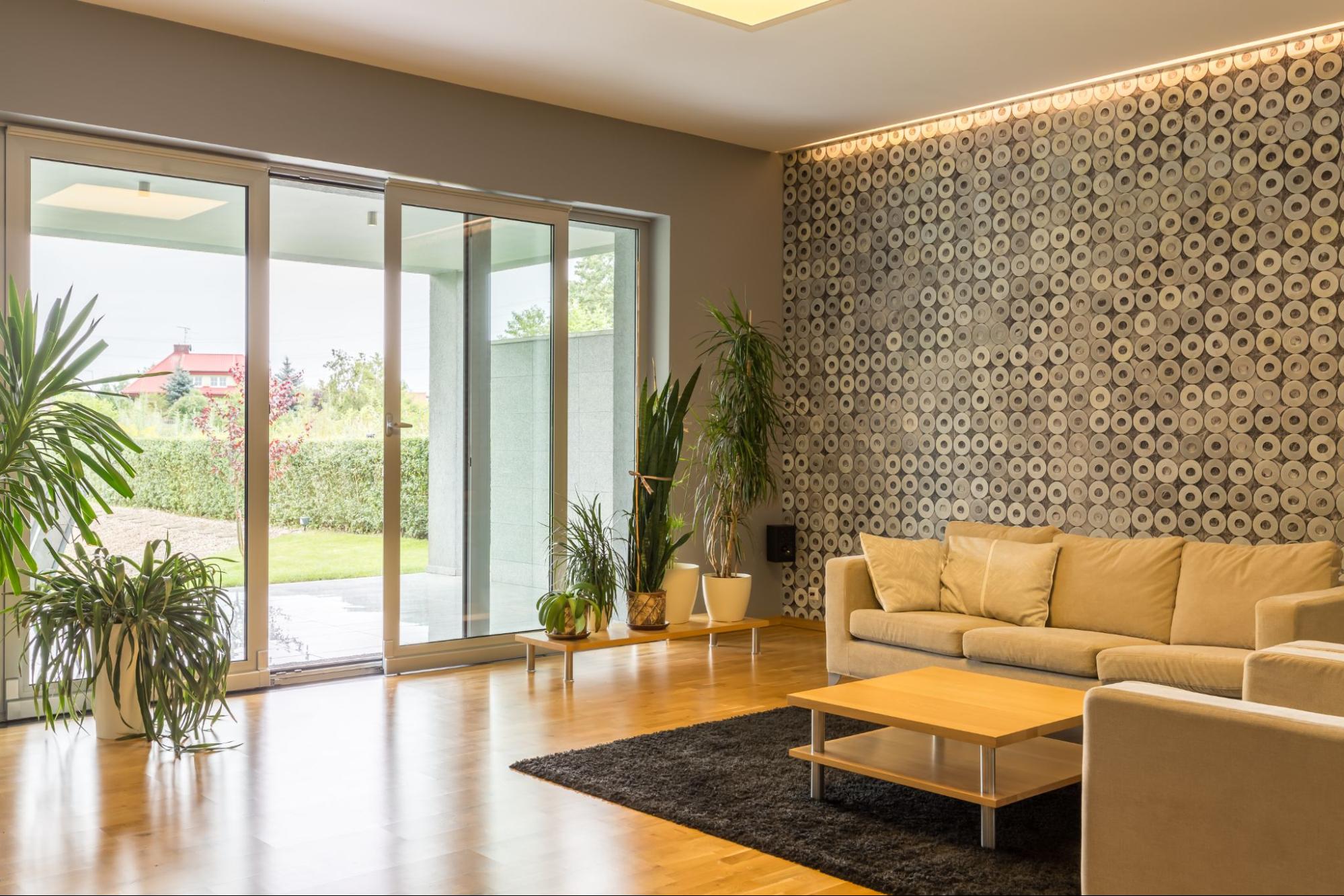
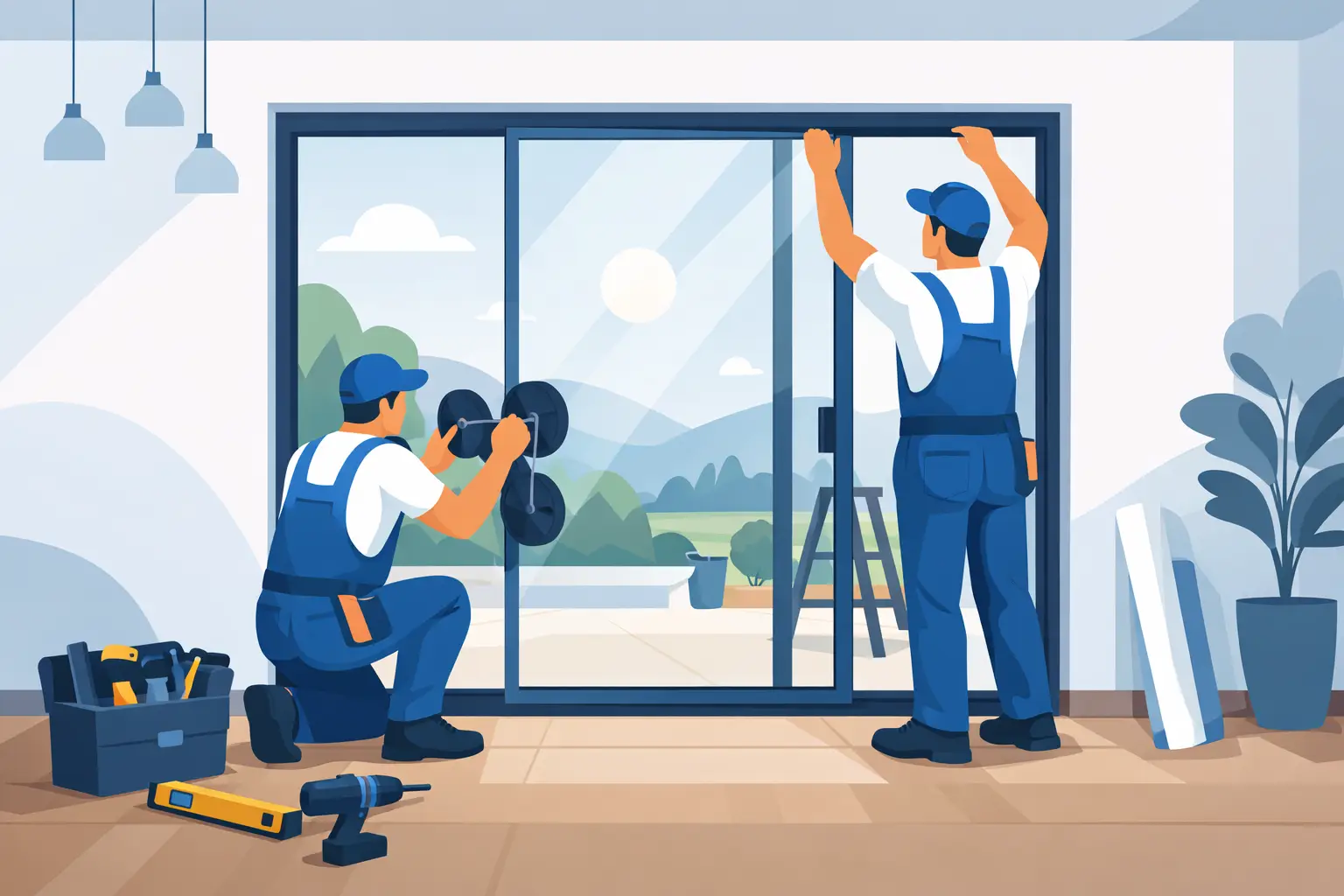
A sliding patio door should feel effortless. It should glide smoothly, lock with confidence, seal cleanly, and frame the outdoor space with quiet stability. When the door starts to fight the track, rattle in the wind, or let air move through the opening, installation quality becomes part of everyday comfort, security, efficiency, and appearance.
Along the Santa Barbara South Coast, sliding glass doors work hard every day. Sun, salt air, shifting temperatures, and regular use all shape how the door performs over time. A well-installed sliding glass door helps protect the interior, improve comfort, and give the opening a clean, polished finish.
Why sliding glass door installation matters
Many property owners focus first on the glass, the frame color, or the style of hardware. Those are important choices, but installation quality is what determines how the door performs over time. Even a premium product can disappoint if it is out of square, poorly flashed, or fitted with weak rollers and hardware.
A properly installed door should open smoothly, close tightly, and sit evenly within the frame. That affects everything from insulation to water resistance. If the sill is not level or the frame is slightly twisted, you may end up with gaps, air leaks, difficult operation, or premature wear on the rollers and lockset.
For homes near the coast, moisture management is especially important. Wind-driven rain and damp air can find their way into small weaknesses around the opening. Careful installation helps prevent hidden damage around the wall, subfloor, and trim. That is one reason this job is best approached as a precision project, not a quick swap.
Choosing the Right Installation Path
Each project starts with the opening, the frame condition, and the goal for the space. Some customers are replacing an older patio door that has become difficult to operate. Others are remodeling and adding a larger glass opening to bring in more light and improve the connection to the outdoors.
A direct replacement can be efficient when the opening is sound and the size remains the same. In that case, the focus is on removing the old unit carefully, checking for hidden damage, and installing the new door so it performs better than the old one ever did.
A new opening or a size change requires more planning. Structural support, waterproofing, finish work, and code considerations all come into play. It can deliver a dramatic improvement in appearance and function, but it is not a simple insert project. That is where experienced guidance matters.
What to look for in a new sliding glass door
The best door for one property may not be the best fit for another. A homeowner in Montecito may prioritize expansive views and a refined finish, while a property manager in Goleta may be focused on durability, smooth operation, and easy maintenance. Both are reasonable priorities.
Glass package matters more than many people expect. Dual-pane and energy-efficient glass can help reduce heat transfer and improve indoor comfort, especially in rooms that get long afternoon sun. If privacy, glare, or UV protection is a concern, those needs should be addressed before the order is placed, not after installation day.
Frame material also affects long-term performance. Vinyl is a popular option because it offers good energy efficiency, resists corrosion, and holds up well with relatively low maintenance. Other frame types may suit certain aesthetics or structural needs, but in coastal conditions, durability should always be part of the conversation.
Hardware deserves attention too. A sliding door is used constantly, so rollers, tracks, handles, and locking systems need to feel solid. A door can look beautiful on day one, but if the hardware is weak, the daily experience will suffer quickly.
The sliding glass door installation process
A professional sliding glass door installation starts with exact measurements. That sounds obvious, but this step sets the tone for everything that follows. Openings are rarely as uniform as they appear, especially in older homes. Small differences in width, height, and level can affect the final fit.
Once the existing unit is removed, the opening should be inspected carefully. This is the point where hidden issues often show up, including moisture damage, wood rot, worn flashing, or uneven framing. It is better to address those problems immediately than to install a new door over a compromised opening and hope for the best.
The new frame must be set square and level, then anchored correctly without distorting it. After that, proper sealing and flashing help protect against air and water intrusion. Finally, the moving panel, fixed panel, rollers, screen, and lock hardware are adjusted so the door operates cleanly and securely.
That process may sound straightforward, but each stage affects the next. If the frame is forced into a rough opening that is not prepared correctly, the sliding panel may drag. If the sealing is rushed, the door may look fine while allowing moisture to enter around the perimeter. Precision is what makes the finished product feel dependable.
What Careful Installation Helps Prevent
Careful installation helps the door open smoothly, latch securely, and seal evenly. Customers often notice the difference in the small daily details, including quieter operation, cleaner movement, stronger weather protection, and a more finished look around the opening.
Not every issue means the product itself is defective. Often, the problem traces back to installation details such as an out-of-level sill, poor shimming, weak support, or incomplete sealing. That is why it helps to work with a local team that understands both the product and the conditions it has to perform in.
A poorly installed door tends to keep costing you. Energy loss, moisture damage, hardware wear, and repeated service calls can add up fast. Getting it right the first time is usually the better value.
Coastal Conditions Shape the Installation Plan
In coastal California, sliding doors have to handle more than daily foot traffic. Sun exposure can stress seals and finishes. Salt air can wear on hardware. Sand and debris can collect in tracks. Homes closer to the shoreline may also experience stronger wind and moisture exposure than inland properties.
That does not mean every project needs the same specifications, but it does mean installation choices should reflect the location. The right materials, weather protection details, and hardware quality can make a noticeable difference in longevity. Local experience helps because coastal performance is not just about what looks good in a showroom. It is about what holds up year after year.
Choosing the right installer
When comparing companies, product selection is only part of the decision. Ask how measurements are handled, whether the opening will be inspected for hidden damage, what kind of sealing methods are used, and how final adjustments are made. Those details tell you more about the quality of the work than a brochure ever will.
Responsiveness matters too. If you are dealing with a broken door, a remodel deadline, or a tenant turnover, delays can create real stress. A reliable local company should be able to provide clear communication, realistic scheduling, and guidance that matches the needs of your property.
This is where a neighborhood specialist stands apart from a generic contractor. A company like Resilience Glass understands the conditions, styles, and expectations common across Santa Barbara, Goleta, Montecito, Carpinteria, Summerland, and Ventura. That local perspective helps keep the project practical, efficient, and tailored to the property.
Choosing the Right Service Path
Sometimes a sticking or noisy sliding door can be repaired with new rollers, track service, glass replacement, or hardware updates. Other times, the frame is too worn, the glass is outdated, or the door has ongoing performance issues that make replacement the smarter long-term move.
It depends on age, condition, and cost. If the door has repeated leaks, poor insulation, visible frame damage, or ongoing security concerns, replacement often delivers more value than patchwork repairs. If the structure is solid and the issue is limited to hardware or a damaged pane, repair may be a reasonable option.
A trustworthy installer explains the condition of the door and opening clearly. Some customers benefit from a focused repair. Others gain better long-term value from replacement. Every customer deserves a clear answer based on the actual door, frame, hardware, and performance needs of the property.
Sliding glass doors do a lot of work in a home or commercial space. They connect indoor and outdoor living, bring in daylight, and affect comfort every single day. When the installation is handled with care, the result feels simple in the best way – smooth operation, solid protection, and a finished look that belongs there from the start.
For help deciding the right service path, schedule a professional evaluation with Resilience Glass.