Patio doors tend to get noticed when daily use starts to feel different. The track gets rough, the handle feels loose, the glass looks dated, or the room feels warmer near the door during afternoon sun. For a feature that connects the home to the patio, backyard, or ocean air, those small frustrations can quickly turn into one practical question: what should it cost to replace it?
For Santa Barbara area homeowners, the answer depends on more than the door itself. Size, frame material, glass type, hardware, installation conditions, energy upgrades, and coastal exposure all shape the final recommendation. A simple replacement in a clean opening can look very different from a custom, oversized, or structurally involved project.
Resilience Glass helps homeowners compare the right options before work begins, so the finished door looks clean, slides smoothly, seals properly, and fits the home’s long-term needs. For help evaluating your current door, call (805) 970-4643 or request a free consultation through our Contact page.
Quick Answer: What Affects Sliding Glass Door Replacement Cost?
Most sliding glass door replacement costs are shaped by five main factors: the size of the opening, the frame material, the glass package, installation conditions, and any added features such as upgraded hardware, built-in blinds, security options, or energy-efficient glass.
A standard replacement in a serviceable opening usually costs less than an oversized, custom, impact-resistant, or structurally involved project. In Santa Barbara, Montecito, Goleta, Carpinteria, and nearby coastal communities, salt air, sun exposure, moisture, and daily use can also influence which materials make the most sense.
What Drives the Final Quote
Several factors influence the total cost of replacing a sliding glass door, ranging from material selection to labor expenses. Prices vary based on door size, customization, and additional features that enhance security or energy efficiency. Evaluating these factors helps homeowners determine the best balance between affordability and long-term benefits.
Material Types
The type of material used for the frame significantly impacts the cost of a sliding glass door. Vinyl offers an affordable option with low maintenance but may lack the premium look of wood or fiberglass. Aluminum provides durability but is less energy-efficient, leading to potentially higher heating and cooling costs. Fiberglass and wood are high-end choices that add visual appeal and insulation benefits but require a larger budget.
Glass Options
The type of glass selected affects the price and performance of a sliding glass door. Standard glass costs less but lacks insulation and impact resistance, making it less effective in extreme weather conditions. Energy-efficient glass with Low-E coatings reduces heat transfer, improving comfort and lowering utility bills. Impact-resistant glass adds protection against storms and break-ins but comes at a higher price.
Door Size and Customization
Larger doors or custom dimensions lead to increased material and labor costs. Standard sizes are more budget-friendly since they are widely available and require minimal adjustments. Custom designs involve specialized manufacturing and installation, including oversized panels or multi-panel configurations. Unique styles like French-style sliding doors also add to the overall cost.
Labor and Installation Complexity
Professional installation costs depend on the difficulty of the replacement process. If an existing door frame is in good condition, installation is quicker and less expensive. Structural modifications, such as resizing the opening or repairing damage, increase labor expenses. Hiring an experienced contractor ensures proper fitting and prevents drafts or poor sliding function.
Additional Features
Upgrades and special features raise the overall price but improve security and convenience. Built-in blinds provide privacy without needing separate window coverings but add to manufacturing costs. Smart locks and advanced security systems enhance safety but require professional installation. Other enhancements, like retractable screens or tinted glass, increase customization expenses.
Permits and Inspection Fees
Local regulations may require permits to replace a sliding glass door, adding to the total cost. Fees vary based on location and the complexity of the installation. Inspections ensure compliance with building codes, especially for energy efficiency and safety standards. Failing to obtain permits may lead to fines or issues when selling the home.
Frame and Structural Modifications
Replacing an old door may involve additional work on the surrounding frame. Rotted or damaged wood requires repairs before installing a new door, increasing labor and material costs. Expanding the opening for a larger door adds expenses due to the need for structural reinforcements. Reinforcing walls to support heavy doors, such as those made of wood or impact-resistant glass, further raises installation costs.
Hardware and Accessories
Handles, locks, and tracks contribute to the final cost of replacing a sliding glass door. Basic hardware options are affordable, but premium materials like stainless steel or decorative finishes increase prices. Upgraded locking mechanisms improve security but require additional investment. High-quality rollers and tracks ensure smooth operation, reducing long-term maintenance expenses.
Energy-Efficient Upgrades
Doors designed to improve insulation help reduce energy bills but come at a higher upfront cost. Low-E glass coatings minimize heat transfer, making indoor spaces more comfortable throughout the year. Multi-pane glass increases thermal efficiency by reducing drafts and preventing heat loss. Weatherstripping and insulated frames enhance energy savings, making them a worthwhile long-term investment.
What Homeowners Can Expect to Spend
Replacing a sliding glass door involves material costs, labor fees, and optional upgrades, which influence the price. Homeowners typically spend between $2,000 and $4,000, though prices can be as low as $600 for basic models or exceed $10,000 for high-end custom options. Several factors, including door size, frame material, glass type, and installation complexity, determine the final cost.
Standard Sliding Glass Door Cost
A basic six-foot sliding glass door costs between $600 and $1,500. This price covers standard materials like vinyl or aluminum and includes regular glass without extra insulation or security features. Choosing a pre-made model in a standard size helps keep costs low.
Mid-Range Sliding Glass Door Cost
Mid-range sliding glass doors typically cost between $1,500 and $4,000. These options include better materials like fiberglass or wood and energy-efficient glass to improve insulation. Doors in this category often feature enhanced security locks and stronger frames for durability.
High-End Sliding Glass Door Cost
Premium sliding glass doors can cost between $4,000 and $10,000. Custom designs, impact-resistant glass, and luxury materials like solid wood or reinforced aluminum increase prices. Additional features like smart locks, built-in blinds, and advanced insulation also increase costs.
Labor and Installation Costs
Professional installation typically adds $300 to $800 to the total cost. Complex projects requiring structural modifications, custom sizing, or wall reinforcements can increase labor expenses. Hiring an experienced installer ensures proper alignment, smooth operation, and long-term durability.
Additional Features and Customizations
Upgrades like built-in blinds, smart locks, or decorative finishes can increase costs by $150 to $1,500. Energy-efficient coatings and multi-pane glass add insulation benefits but require a more significant investment. Custom handles, upgraded tracks, and retractable screens also contribute to the final price.
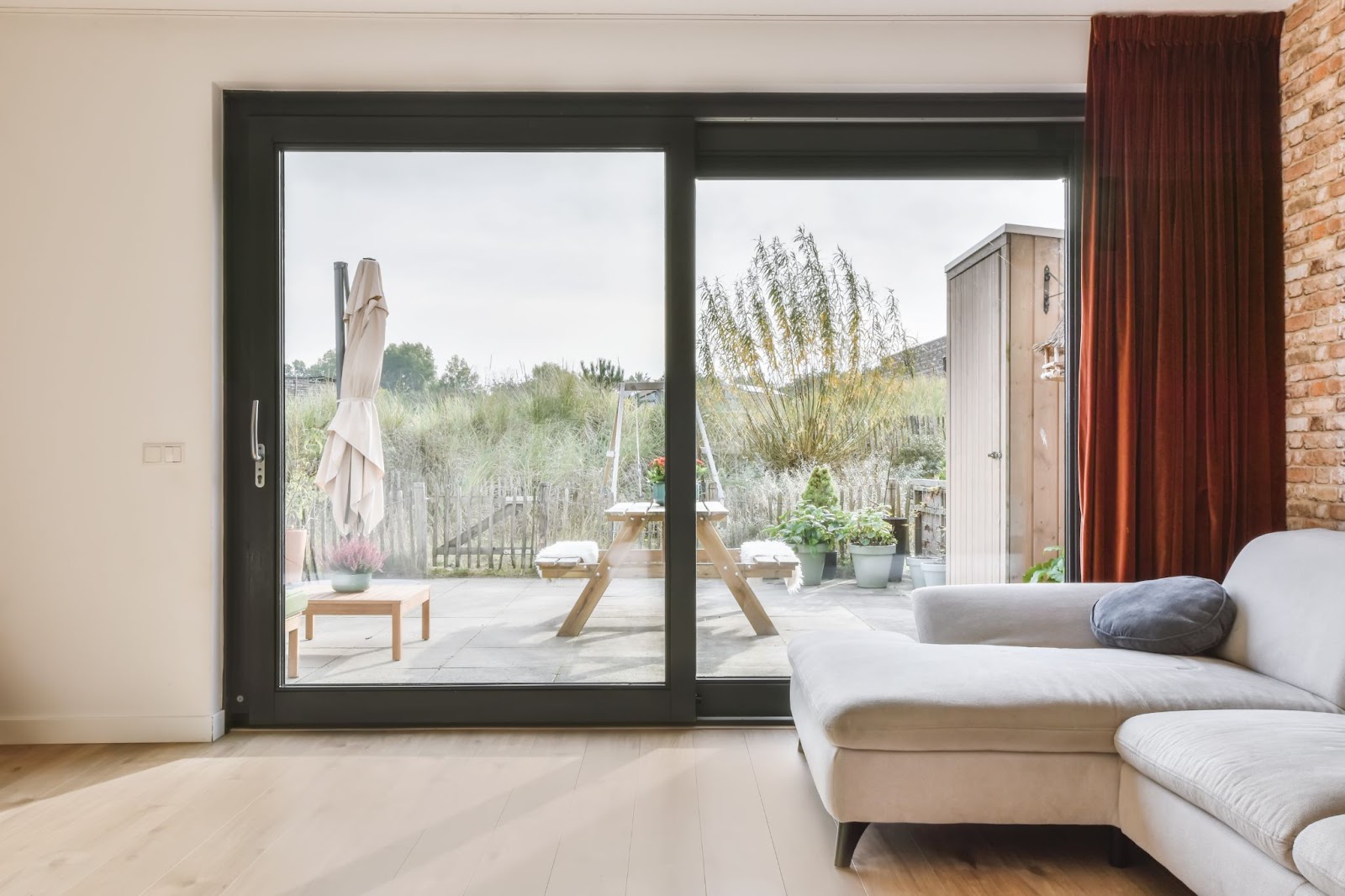
Frame material, glass type, door size, and installation conditions all influence sliding glass door replacement cost.
How Frame and Glass Choices Affect Price
Material selection plays a major role in sliding glass door replacement cost. Frame type affects durability, energy performance, maintenance, appearance, and how well the door holds up in daily use. For Santa Barbara area homes, coastal exposure can also influence which materials make the most sense over time.
Vinyl
For budget-conscious homeowners, this material often provides a practical mix of value, efficiency, and simple upkeep. Vinyl sliding glass doors commonly range from about $300 to $1,200 for material costs, depending on size, product line, glass package, and hardware.
Quality vinyl can work well for many residential patio door projects, especially when the goal is improved operation, better sealing, and a clean finished look at a manageable price point. Homeowners who want a more architectural or premium finish may also compare fiberglass, aluminum, or wood options before making a final decision.
Aluminum
Modern homes and larger openings often benefit from the strength and slim profile this frame material can provide. Aluminum sliding glass doors commonly range from about $750 to $2,500 for material costs, depending on frame quality, finish, glass type, and configuration.
This option can support clean lines, narrow sightlines, and a contemporary appearance. For coastal homes, product quality and finish matter because salt air and moisture place added demands on exterior materials. Energy performance should also be reviewed carefully, especially when comparing standard aluminum frames with thermally improved systems.
Fiberglass
Long-term durability is one reason many homeowners compare this option against vinyl, aluminum, or wood. Fiberglass sliding glass doors commonly range from about $1,500 to $2,500 for material costs, depending on size, brand, glass package, and hardware.
The material is valued for strength, stability, and resistance to expansion and contraction. That can be helpful in homes with regular sun exposure, changing temperatures, or higher performance expectations. For homeowners planning to stay in the property long term, fiberglass may offer a strong balance of durability, appearance, and energy performance.
Wood
For homes where warmth, character, and architectural detail matter, this material can create a more traditional finished look. Wood sliding glass doors commonly range from about $1,000 to $3,000 for material costs, depending on species, size, finish, glass package, and product quality.
Wood can be a strong fit for custom homes, older properties, and design-focused projects where the door needs to complement interior finishes. Regular care is part of the long-term plan, especially in coastal communities where moisture and sun exposure affect exterior materials. In the right setting, wood can deliver a refined appearance with strong insulation and classic appeal.
Installation Conditions That Influence the Quote
The final quote depends on more than the door itself. Installation conditions can affect labor, timing, materials, and the level of preparation required before the new door is set in place.
A straightforward replacement in a clean, serviceable opening usually costs less than a project involving frame repair, structural adjustments, oversized glass, or custom sizing. A professional site visit gives homeowners the clearest picture because the installer can evaluate the opening, surrounding materials, track condition, frame alignment, and finish details.
Standard Installation
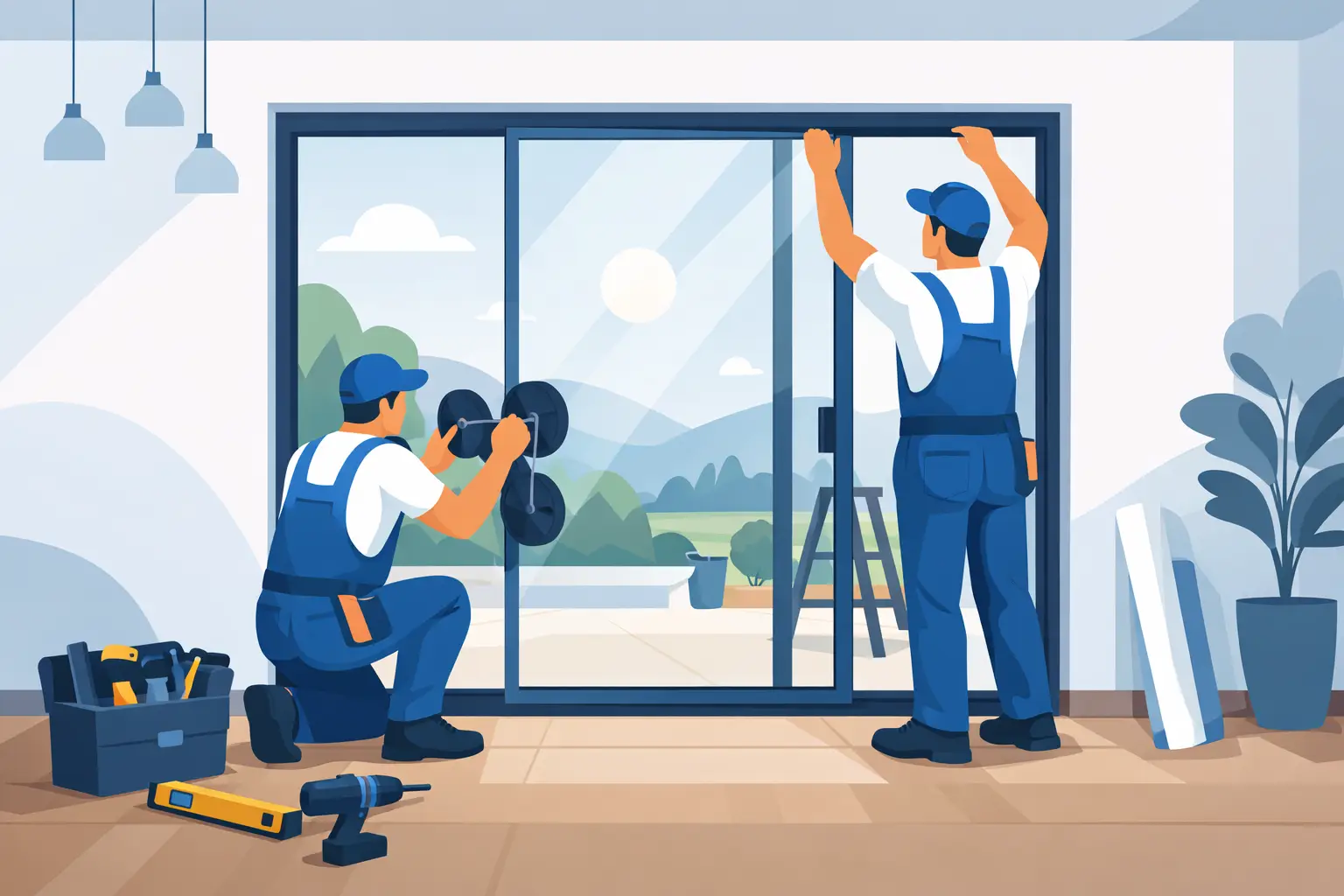
A clean replacement often involves removing the old door, preparing the opening, setting the new unit, sealing the frame, checking operation, and finishing the surrounding area.
Standard installation commonly ranges from about $300 to $800, depending on the door size, access, hardware, trim details, and the condition of the existing opening. When the frame is square and the surrounding structure is sound, the process is usually more predictable.
Structural Modifications
Some openings need additional preparation before the new sliding glass door can be installed properly. Frame damage, water intrusion, rotted wood, uneven openings, or size changes can all add labor and materials to the project.
Structural adjustments can add $1,000 or more when reinforcement, reframing, or opening changes are needed. This is why a careful inspection matters before choosing a door based on material price alone.
Custom or Oversized Doors
Larger openings, custom dimensions, multi-panel layouts, and heavier glass systems can raise both material and installation costs. These projects often require more handling, added support, special ordering, and extra installation time.
Custom or oversized sliding glass doors commonly add $1,500 to $4,000 or more, depending on the design, glass weight, frame system, and site conditions.
Permit and Inspection Fees
Local requirements can also affect the final price. Some projects may involve permit costs, inspection fees, energy-efficiency requirements, or added documentation, especially when the work changes the opening or relates to broader property upgrades.
Permit and inspection fees often range from about $50 to $300, depending on the location and project scope. A local glass professional can help homeowners understand which requirements apply before work begins.
Removal and Disposal of the Old Door
Taking out the existing door, hauling materials, and disposing of the old unit can also affect the final estimate. Standard removal and disposal commonly ranges from about $100 to $250.
Recycling options, access challenges, door size, and glass weight can influence that amount. Including this line item in the estimate helps homeowners understand the full project scope before installation day.
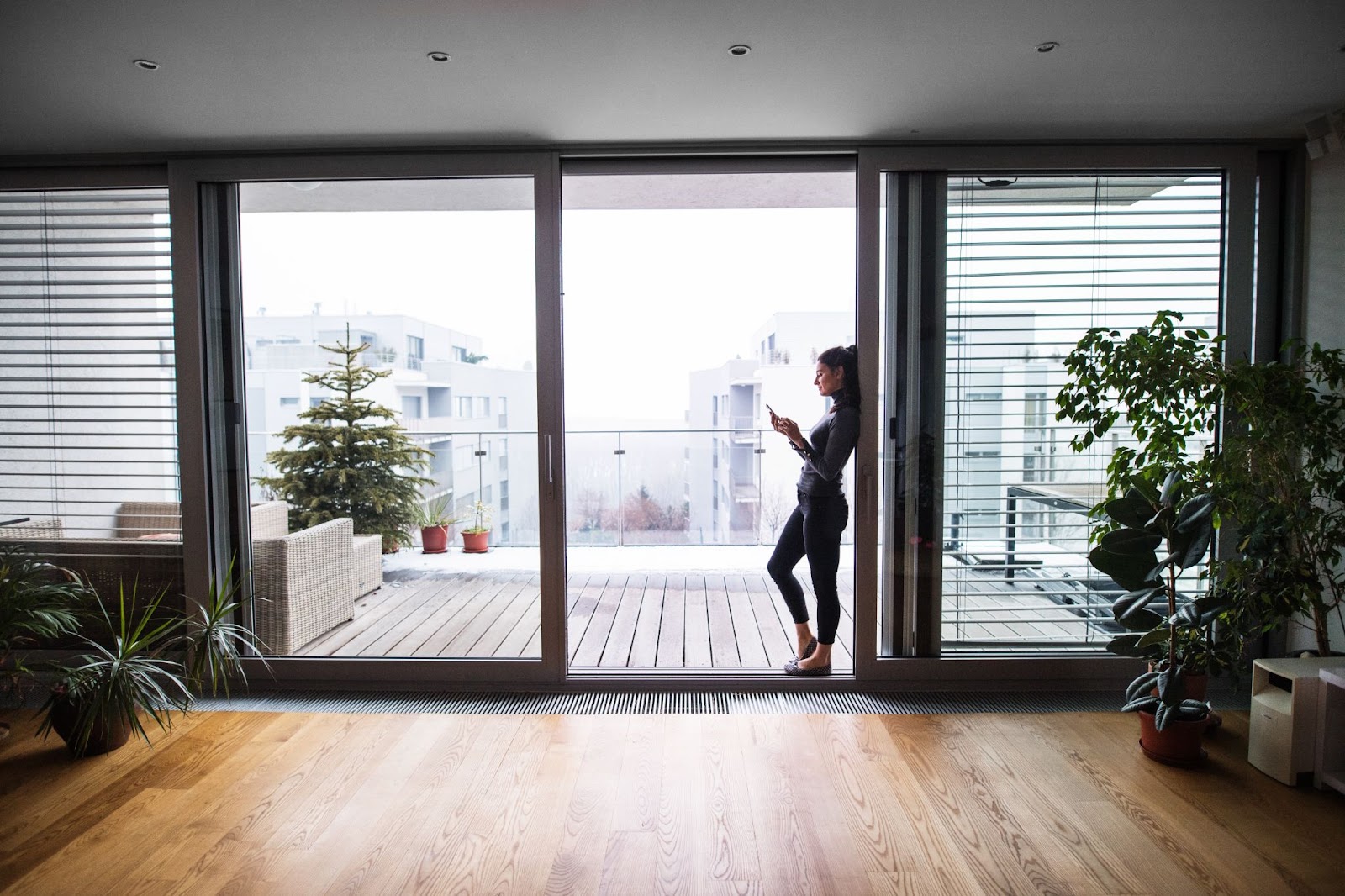
Oversized openings, hardware, structural needs, and added features can influence the final cost of sliding glass door replacement.
Optional Upgrades That Can Add to the Final Cost
Some sliding glass door projects include more than the basic door, frame, glass, and labor. Added features can improve comfort, privacy, security, energy performance, and day-to-day convenience.
These upgrades can be worthwhile when they match the way the door is used. A patio door facing strong afternoon sun may benefit from energy-efficient glass. A bedroom or rental unit may call for privacy features. A high-use entry may deserve better hardware, smoother rollers, or stronger locking options.
Built-In Blinds
Built-in blinds can add privacy and light control without the maintenance of exposed window coverings. They are sealed between glass panels, which helps keep them cleaner and easier to manage than traditional blinds near a high-traffic patio door.
This feature commonly adds $400 to $1,000, depending on the door system, glass package, and manufacturer. For homeowners who want a clean look with less daily upkeep, built-in blinds can be a practical upgrade.
Energy-Efficient Glass
Upgraded glass can help improve comfort, reduce heat transfer, and support better year-round performance. Options may include low-E coatings, dual-pane insulated glass, argon gas fills, or other energy-focused features.
Energy-efficient glass commonly adds $500 to $2,000, depending on the size of the door and the performance package selected. In Santa Barbara area homes, where sunlight, coastal air, and indoor comfort all matter, the right glass package can make a meaningful difference.
Weatherproofing and Sealing
Good sealing helps the door perform as intended. Weatherstripping, sealants, threshold details, and proper frame installation all play a role in limiting drafts, moisture intrusion, and daily wear.
Weatherproofing upgrades commonly add $200 to $500, depending on the condition of the opening and the materials used. This detail is especially important in coastal communities where moisture, salt air, and changing temperatures can affect exterior openings over time.
Security and Smart Features
Hardware upgrades can improve convenience and peace of mind. Better locking systems, reinforced hardware, keyed options, smart sensors, and compatible home automation features can all affect the final price.
Security and smart feature upgrades commonly add $300 to $1,500, depending on the system and level of integration. These options are especially useful for doors that serve as primary patio access, rental property entries, or high-use openings.
Why a Site Visit Gives You the Clearest Price
Online cost ranges are helpful for planning, but every sliding glass door project has its own conditions. The most accurate estimate comes from seeing the opening, measuring carefully, checking the frame, reviewing the glass needs, and understanding how the door is used.
A local site visit helps identify details that affect both cost and long-term performance. These may include frame condition, track wear, water exposure, wall alignment, flooring transitions, trim needs, glass size, door weight, and finish expectations.
For homeowners in Santa Barbara, Goleta, Montecito, Carpinteria, and nearby coastal communities, local conditions also matter. Sun exposure, salt air, moisture, and daily use can all influence which door, frame, glass, and hardware choices make the most sense.
Work With the Right Team
A clear sliding glass door estimate starts with the actual opening, the condition of the frame, the glass needs, and the way the door is used every day. Resilience Glass brings more than 25 years of hands-on experience to residential glass and door projects throughout Santa Barbara, Goleta, Montecito, Carpinteria, and nearby communities.
Whether you are replacing a worn patio door, upgrading glass for better comfort, or comparing repair and replacement options, Olaf Karlsen and the Resilience Glass team can help you choose the right path with clear guidance and professional installation.
Call Resilience Glass at (805) 970-4643 or request a free consultation through our Contact page.
Clear glass. Clean lines. Work done the right way.